2023-05-10
Where to Get Upper Eyelid Fat Removal and What Does It Cost?
Upper eyelid fat removal can transform heavy, tired eyes into a brighter, more refreshed look. This procedure, often combined with double eyelid surgery, requires a skilled surgeon to achieve natural, aesthetically pleasing results.
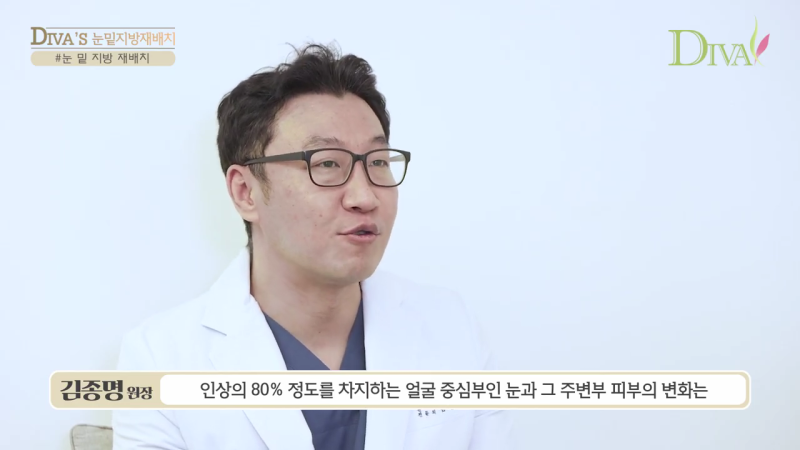

The eyes are a crucial feature that determines a person's impression.
Whether by choice or not, we are constantly evaluated by countless people throughout our lives.
Those with small, heavy-looking eyes often feel stressed because they cannot create a refreshing first impression, even if they believe they are not that kind of person.
Many people who are stressed by small, heavy-looking eyes also worry about thick upper eyelid fat.
In such cases, combining upper eyelid fat removal with double eyelid surgery can transform the eyes into a more refreshing and vibrant image.
While eye surgery is primarily aesthetic,
it cannot be performed without considering functional aspects.
Therefore, it is advisable to consult with a board-certified plastic surgeon who has a thorough understanding of anatomical considerations.
You can consider various options for creating double eyelids, from a natural in-line to a striking out-line that gives a refreshed appearance.
The most important thing is to find a trustworthy specialist who can help you determine the design that best suits you.
Working with an experienced plastic surgeon allows you to explore various cases and find methods that lead to positive changes.
When performing upper eyelid fat removal and other eye surgeries,
various issues can arise, and the outcome can vary significantly depending on who performs the surgery.
Therefore, rather than focusing solely on cost,
it is recommended to choose a hospital after confirming which plastic surgeon is affiliated with it.
Once a design is made and the surgery is performed,
you will have to live with the results for a while, even if you are not satisfied.
Thus, exercising caution is naturally important.
Of course, you might consider revision surgery if you are dissatisfied over time,
but revision surgery is not only more difficult than the initial surgery,
but it also increases the likelihood of complications and may not yield the desired design,
so caution is needed.

To achieve large, refreshed eyes,
simply creating a double eyelid line is not enough.
While some individuals may only need a line,
not everyone has minimal fat and thin skin in their eyelids.
Therefore, surgery must be performed considering each patient's specific situation.
Some individuals need upper eyelid fat removal along with line creation to achieve a distinct look,
while others may require epicanthoplasty (front canthoplasty) or lateral canthoplasty (back canthoplasty) to improve eye length.
Performing the same surgery on all patients is not advisable.

However, not all surgeons will perform surgery tailored specifically to you.
Therefore, rather than focusing on cost,
prioritizing finding a hospital that can meticulously examine your eye condition is important.
When choosing a plastic surgery clinic,
selecting one that offers 1:1 customized care increases the likelihood that the surgery will be tailored to you.
It would be ideal if the head surgeon personally consults, diagnoses,
performs examinations, conducts the surgery, and provides post-operative care.

If the surgeon lacks sufficient experience to determine the appropriate amount of upper eyelid fat to remove,
the likelihood of problems arising after the surgery is high.
Since many cases cannot be reversed once performed,
extra caution is necessary.
Both excessive and insufficient upper eyelid fat removal can make it difficult to achieve satisfactory results.
This is because appropriate upper eyelid fat removal is essential for the line to settle properly and form the desired design.
These aspects are skills developed through a plastic surgeon's experience, which is why experience is considered paramount.
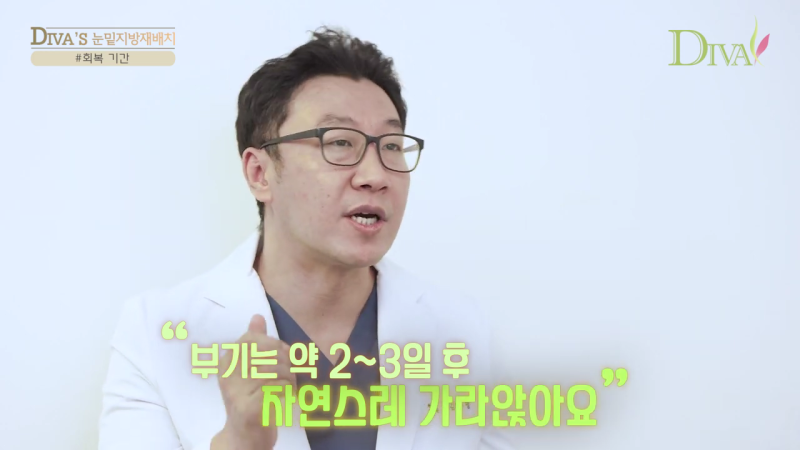
When undergoing double eyelid surgery, you will consider between incisional and non-incisional methods.
You might be inclined to choose the non-incisional method because of its relatively faster recovery time and minimal scarring.
However, the choice between incisional and non-incisional methods should not be based on personal preference alone,
but rather on a thorough examination of your eye condition.
Various factors, such as the amount of muscle and fat and the degree of sagging, need to be checked.
The choice of method is less important than the outcome, so you should select the surgery that will bring about the most positive change.

After upper eyelid fat removal and creating a line through incision,
swelling will occur.
Typically, major swelling subsides within 1-2 weeks,
while minor swelling can persist for 3 months, or even up to 6 months.
Please keep this in mind when scheduling your appointments.
Although the recovery period is longer than for the non-incisional buried suture method,
many people who undergo incisional surgery experience high satisfaction because there is less concern about the line loosening, and a more defined line can be created.
Each method has its pros and cons, so please consult with your surgeon and decide based on the specific characteristics of your eyes.
After upper eyelid fat removal,
many people find their eyes not only look more refreshed but also feel lighter,
making daily life more comfortable.
In addition to those with naturally abundant upper eyelid fat,
improvement is also possible for cases where fat grafting was performed to correct sunken eyes,
resulting in unevenness or a heavy feeling due to excessive grafting.
So, do not just worry; please consult with a specialist.
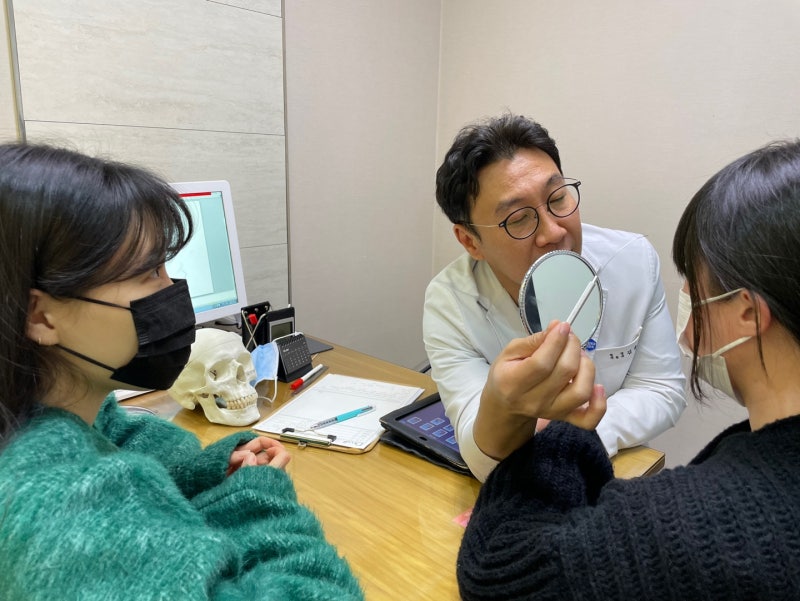
Eye surgery can significantly impact daily life due to its dramatic transformative effects.
After careful consideration of whether it is truly necessary for you,
we hope you choose a hospital and a plastic surgeon carefully
to achieve excellent results.
This has been Diva Plastic Surgery, providing systematic 1:1 customized care from consultation to post-operative management.
** This post is a promotional post written by Diva Plastic Surgery in compliance with the Medical Advertising Act. **
Frequently Asked Questions
Can upper eyelid fat removal and double eyelid surgery be performed together?
Yes, they can be performed together. If you are concerned about small, heavy-looking eyes and thick upper eyelid fat, combining upper eyelid fat removal with double eyelid line surgery can transform your image into a more refreshed and vibrant one.
What is the most important consideration when undergoing upper eyelid fat removal?
The most important thing is to meet a trustworthy board-certified plastic surgeon and find the design that best suits you. It is recommended to choose a hospital after confirming which specialist will perform the surgery, rather than focusing solely on cost.
How long does swelling last after upper eyelid fat removal?
When upper eyelid fat removal and line creation are performed with an incision, major swelling usually subsides within 1-2 weeks. Minor swelling can persist for 3 months, or even up to 6 months, so it is good to keep this in mind when scheduling.
Which method should I choose for double eyelid surgery: incisional or non-incisional?
The choice between incisional and non-incisional methods should not be based on personal preference but rather on a thorough examination of your eye condition. Various factors, such as the amount of muscle and fat and the degree of sagging, should be checked to select the surgery that will provide the most positive change.
Is revision surgery more difficult than the initial surgery?
Yes, revision surgery is more difficult than the initial surgery. Additionally, revision surgery increases the likelihood of complications and may not yield the desired design, so greater caution is required during the first surgery.
In what cases is upper eyelid fat removal effective?
Upper eyelid fat removal is effective not only for individuals with naturally abundant upper eyelid fat but also for improving cases where fat grafting for sunken eyes resulted in unevenness or a heavy feeling due to excessive grafting.