2023-04-02
Upper Blepharoplasty Recovery Period: For Youthful, Elastic Eyes
Learn about upper blepharoplasty recovery, typically around 7 days for stitches and a month for full settling. Discover when this surgery is needed, the importance of choosing an experienced medical team, and how to achieve natural, youthful eyes.


Interest in a youthful face continues to grow.
Along with this, there's also a rising interest in elastic skin and distinct facial features.
Among these, the eyes receive significant attention. If the pupils are obscured, giving a stuffy impression, or if drooping eyelids make one look tired, it can make a person appear older. This is why there's increasing interest in the recovery period for upper blepharoplasty.
The recovery period for swelling removal and settling typically takes about 7 days, with a total of approximately one month. However, this can vary from person to person.
It's important to understand the significance of choosing a medical team, as proper post-operative care can lead to a faster recovery than expected.
First, before checking the upper blepharoplasty recovery period, it's best to determine if the surgery is necessary.
It may be needed if you experience drooping outer corners of the eyes due to aging, if your eyelids cover your pupils making it difficult to secure your field of vision, if your eyesight is steadily deteriorating, or if your eyelashes poke your eyes causing pain.
Severe skin sagging can also lead to maceration, in which case it may be necessary to plan for surgery to improve the condition.
If not addressed in a timely manner, neglecting the issue can lead to functional problems, so it's best to seek consultation and undergo surgery as soon as possible.

As one ages, undergoing this procedure can also bring concerns about the upper blepharoplasty recovery period.
This is because both skin elasticity and the body's overall recovery ability may differ from one's younger years.
However, neglecting the issue due to these concerns could lead to increased financial burden and a longer recovery period, making a quick decision necessary.

It can be said that it's essential to proceed with a medical team that possesses the technical skills to ensure natural changes after understanding the basic characteristics of the skin.
The goal is not simply aesthetic but also the restoration of the eye's function, so it's crucial to find a medical team with experience, know-how, and technical expertise.

The cause of upper eyelid ptosis can be attributed to the continuous decrease in the elasticity of the eye muscles that close the eyelids.
Everyone experiences aging, so this is something everyone goes through, but for some, the discomfort may not be significant, meaning surgery isn't necessary for everyone.
However, as mentioned earlier, if various problems such as declining eyesight occur, it's advisable to consult with a specialist to determine the upper blepharoplasty recovery period and ensure improvement.

Depending on the extent of skin sagging, appropriate incisions and removal are performed to change the sagging skin and eyelids, which can lead to clearer, more defined eyes.
Since the degree of eyelid sagging, shape, skin thickness, fat distribution, and muscle volume vary from person to person, these aspects must be checked in advance before proceeding.
By going through a detailed process of checking these factors, the upper blepharoplasty recovery period and applicable methods can be tailored differently.

Many hope to maintain their current natural appearance when undergoing upper eyelid improvement.
Overly dark or large double eyelids can make one look older or feel awkward, so it's best to maintain the existing eyelid line.
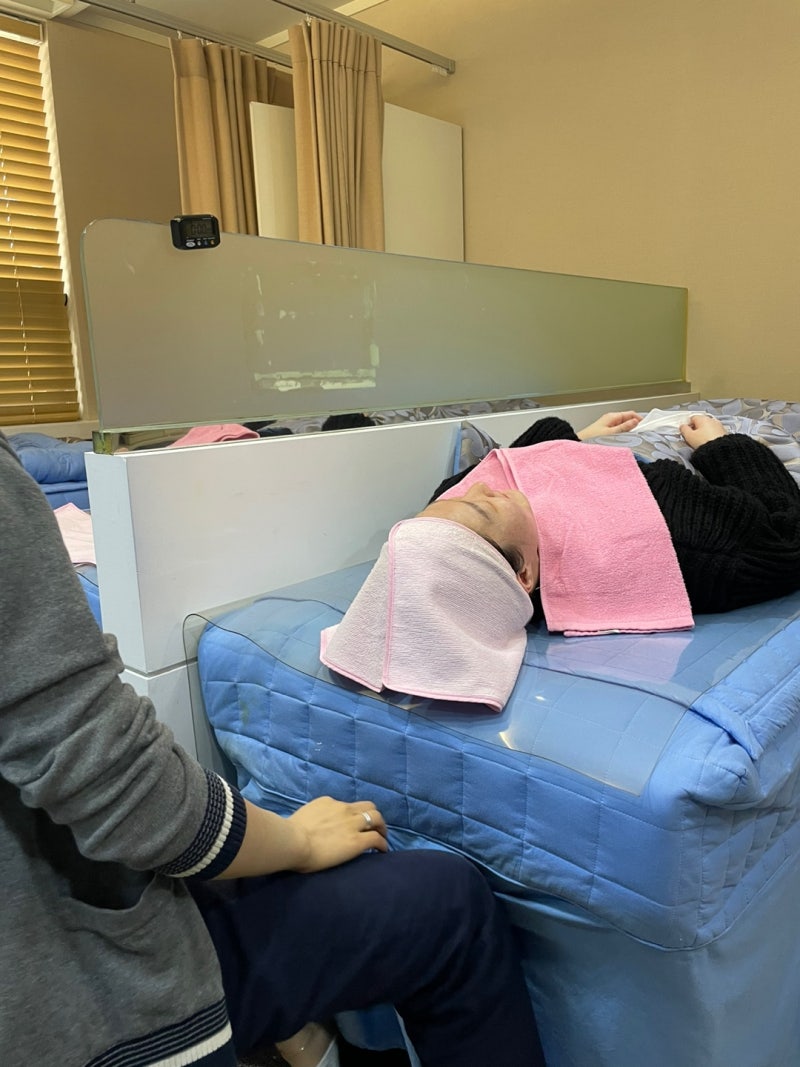
Before proceeding, it's also important to check for senile ptosis.
In severe cases, blepharoptosis correction surgery can be performed concurrently to also expect functional recovery.
If performed simultaneously, stitches are removed within 7 days, and the upper blepharoplasty recovery period is also said to take about 7 days.
The eyes play a significant role in determining one's impression, making them an area of interest for many people regardless of age.
Therefore, it's important to consult considering both functional and aesthetic factors, and detailed planning is necessary for the upper blepharoplasty recovery period, method, and design that considers balance.

To achieve stable results, it's essential to ensure necessary medical care and surgical procedures, always prioritizing health and functional recovery, and considering the upper blepharoplasty recovery period.
** Please be informed that this post is a promotional post written by Diva Plastic Surgery in compliance with the Medical Advertising Act. **
Frequently Asked Questions
How long does the recovery period for upper blepharoplasty take?
Typically, stitches are removed within 7 days, and including the time for swelling reduction and settling, it takes approximately one month. However, recovery speed can vary individually and may be faster with proper post-operative care.
In what cases should upper blepharoplasty be considered?
Surgery may be considered if the outer corners of the eyes droop due to aging, if the eyelids cover the pupils making it difficult to secure vision, if eyesight is deteriorating, if eyelashes poke the eyes causing pain, or in cases of severe skin sagging leading to maceration.
Why is the choice of medical team important for upper blepharoplasty?
Proper post-operative care can lead to a faster recovery than expected. It's crucial to choose a medical team with experience and technical skills to meticulously assess skin characteristics, sagging condition, and eyelid shape, and apply methods tailored to the individual.
Can a natural eye shape be maintained after upper blepharoplasty?
Yes, it's possible. Overly dark or large double eyelids can make one look older or feel awkward, so it's best to pursue a natural look by maintaining the existing eyelid line during the surgery.
Can upper blepharoplasty and blepharoptosis correction surgery be performed together?
Yes, it's possible. In severe cases of senile ptosis, blepharoptosis correction surgery can be performed concurrently to expect functional recovery. In such cases, stitches are removed within 7 days, and the recovery period is also considered to be about 7 days.