2023-04-07
Understand the Causes of Asymmetrical Eyes First
Asymmetrical eyes can stem from various factors like eyelid shape, eyebrow height, or muscle strength. Identifying the root cause is crucial for effective correction and achieving a more balanced appearance.


If the features of your face are not balanced,
what you desire most is a harmonious appearance.
An asymmetrical state looks unnatural and
can make you feel awkward.
However, everyone has some degree of asymmetry.
It's simply a matter of degree.
But if you carefully examine your eyes, nose, mouth, and jaw, you can see subtle
differences, and among them, the most common area where people feel asymmetry
is the eyes.
Generally, there are various types of asymmetrical eyes.
One eye's corner might be upturned while the other is droopy,
and there can be differences in double eyelid shape or height.
Eyebrow heights can differ, and wrinkles around the eyes can vary,
indicating a wide range of causes.
Therefore, if you desire correction, you must first
identify the cause.
Only then can you find a tailored solution, such as double eyelid surgery, epicanthoplasty, ptosis correction, or fat grafting,
based on the specific cause.

However, structurally, when considering the eyes, details like the size of the left and right eye sockets,
the distance between the eyebrows and eyes, and the degree of protrusion naturally lead to asymmetrical eyes.
Therefore, even if you undergo corrective procedures, achieving complete
symmetry can be difficult.
However, in severe cases where the difference is very noticeable,
considering the prominent appearance, a solution based on the cause can lead to a more
alleviated situation.

First, if your double eyelids are asymmetrical, it may be possible to customize the height and
shape.
Naturally, asymmetry might occur during the growth process.
Many cases also arise over time after surgery.
This can be due to the incision line being set differently during the surgical process,
or not considering differences in eyebrow height or the strength of opening the eyes.

If eyebrow heights differ, making the double eyelid height on the lower eyebrow side slightly higher than the opposite side can make the sizes
appear similar.
If you design both heights to be the same without considering these differences,
as time passes and swelling subsides,
asymmetry will occur.
In such cases, it's possible to adjust to the middle, or to excise more skin from the lower line
to match the higher side.

Asymmetrical eyes can also result from differences in the degree to which the eyes open.
In such cases, blepharoptosis (ptosis) can be considered.
The muscle that lifts the eyelid is called the levator palpebrae superioris.
If this muscle is weak, even if you open your eyes properly,
your eyes might appear half-closed or sleepy.
Even if you try to open them wide with effort, this uses the forehead muscles,
not the eyelids.
In this case, both levator palpebrae superioris muscles might be weak, but
sometimes only one side is weak. Therefore, ptosis correction can be performed on the weaker side
to achieve clearer eyes.

As we age, one eyelid might become sunken.
If this type of asymmetrical eye occurs, fat grafting can be performed to
restore volume.
Additionally, if the size of both eyes differs, correction of the smaller eye can be performed using procedures like canthoplasty (epicanthoplasty or lateral canthoplasty).
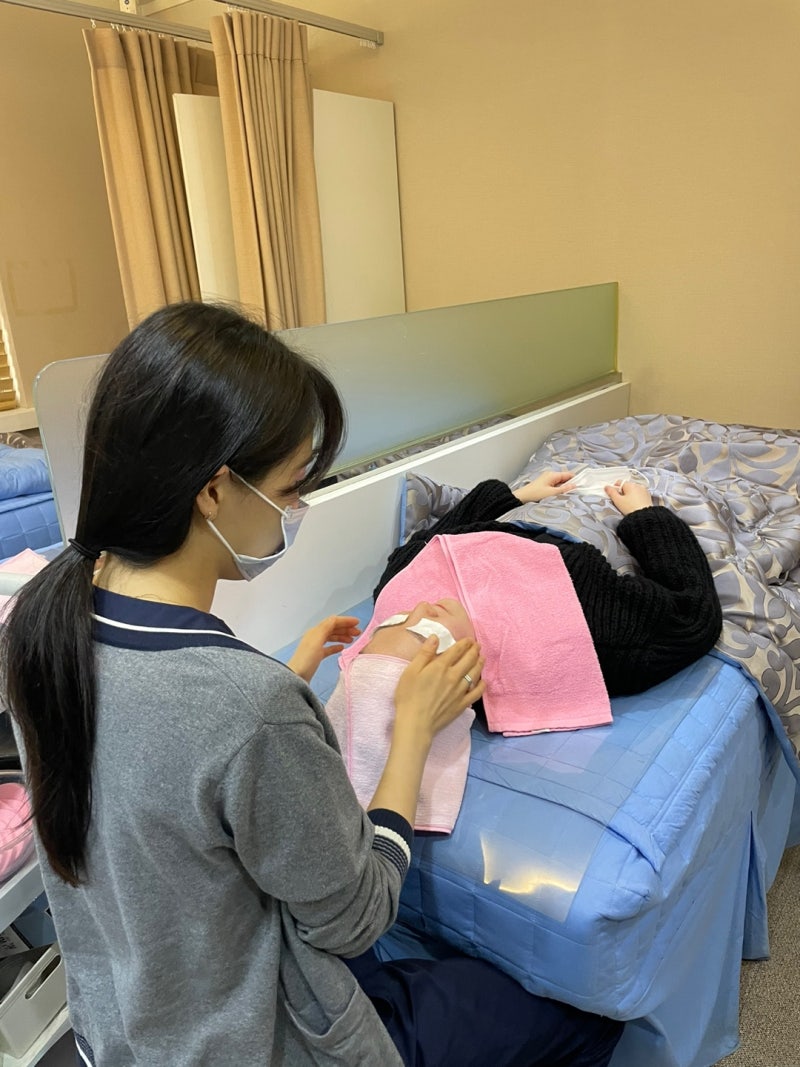
Since there are so many reasons for asymmetrical eyes,
it is paramount to correctly identify and diagnose the cause.
This is because proper improvement is only possible then.
While looking in the mirror, you might easily think your eye sizes are different,
but upon proper examination, the causes can be diverse,
so detailed consultation is essential.
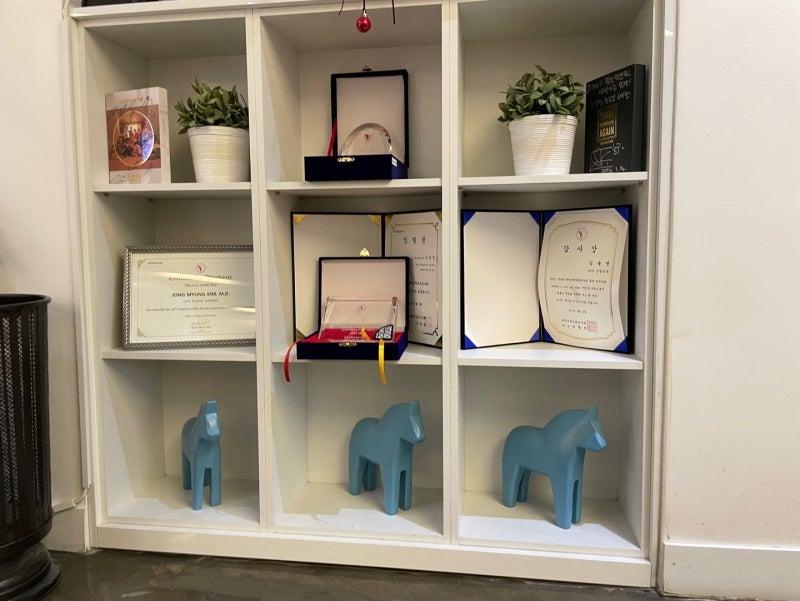
Furthermore, regardless of the method, the medical team's expertise and skill are
extremely important.
The area around the eyes, in particular, is delicate and sensitive, prone to bruising,
and contains numerous nerves and blood vessels. It's also crucial for functional aspects,
so you must choose a medical team with a high understanding of this.
We hope you remember the importance of thorough consultation, diagnosis, and examination to ensure personalized care
and make your choice accordingly.

** Please be informed that this post is a promotional post written by Diva Plastic Surgery in compliance with medical advertising laws. **
Frequently Asked Questions
Why do asymmetrical eyes occur?
Asymmetrical eyes can arise from a wide variety of causes, including differences in eyelid corner position, double eyelid shape and height, eyebrow height, the strength of opening the eyes, wrinkles around the eyes, and sunken eyelids due to aging. They can also occur over time after surgery.
Can asymmetrical eyes be corrected?
Yes, asymmetrical eyes can be corrected. However, due to structural differences, achieving complete symmetry is difficult. In cases of severe asymmetry, improvement to a more alleviated state can be achieved through customized solutions based on the cause.
What methods are available for correcting asymmetrical eyes?
Various correction methods exist depending on the cause of asymmetrical eyes. Solutions can include adjusting double eyelid height and shape, canthoplasty, ptosis correction for weak eye-opening strength, and fat grafting for sunken eyelids.
Can ptosis also be a cause of asymmetrical eyes?
Yes, ptosis can also be a cause of asymmetrical eyes. If the levator palpebrae superioris muscle, which lifts the eyelid, is weak, it can be difficult to open the eyes properly, leading to a sleepy or half-closed appearance. If only one muscle is weak, asymmetry will occur.
What is the most important aspect when correcting asymmetrical eyes?
When correcting asymmetrical eyes, accurately identifying the cause first is the most important aspect. Additionally, since the area around the eyes is sensitive and crucial, the medical team's rich expertise and skill, along with personalized care through thorough consultation, are essential.