2023-03-31
Under-eye Fat Repositioning for a Youthful Look
Under-eye fat repositioning can address tired-looking eyes, dark circles, and a prematurely aged appearance caused by uneven fat distribution. This procedure smooths the under-eye area for a more youthful look.

An uneven under-eye area can make you look tired and older than your actual age.
Moreover, under-eye fat often accompanies dark circles, making you appear hollow even with makeup, and can make you look older than your age, which can be a source of concern.
In such cases, you might consider under-eye fat repositioning.
There are many reasons for the accumulation of fat under the eyes.
While some people are born with it, the symptoms can worsen after the onset of aging, and stress or overwork can also be contributing factors.
The problem is that it's difficult to find the exact cause, making prevention challenging, and surgery may be considered to improve the symptoms.
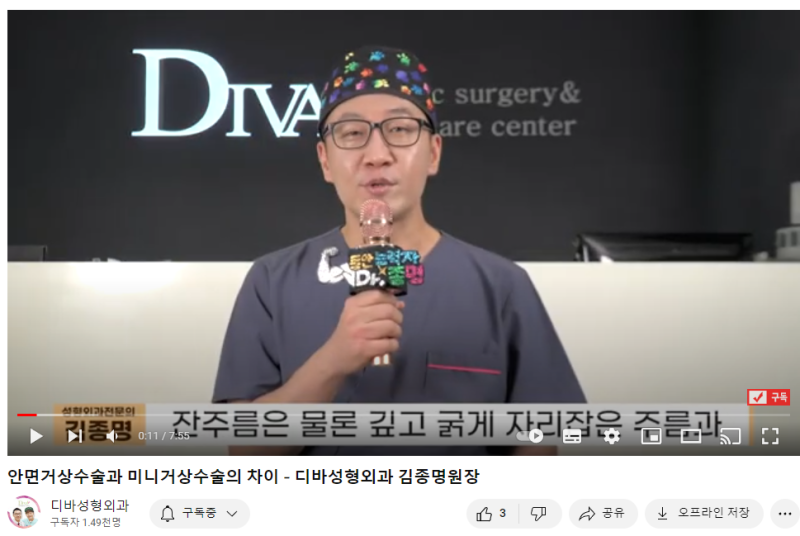
Many people also inquire about under-eye fat repositioning methods.
The first thing to consider is the surgical method.
To achieve a removal effect, the uneven fat can be evenly spread out.
Since the incision is minimal and difficult to see with the naked eye, concerns about potential scars or wounds can be reduced by checking the surgical area.
The under-eye fat repositioning procedure involves making a micro-incision in the inner conjunctiva of the eye.
This process involves evenly spreading out the fat to flatten the uneven under-eye area.
Since it doesn't involve bone shaving, it might seem relatively simple.
However, it requires caution as it is very close to blood vessels and there is a concern about nerve damage.
Therefore, to undergo this procedure, you need to find a place where you can meet medical staff with extensive clinical experience and expertise.

If you want to increase satisfaction with the results of under-eye fat repositioning,
you must first clearly understand the amount of fat under the eyes, the symptoms, and the cause.
Since most cases involve accompanying sagging, dark circles, etc., considering these aspects is necessary to expect highly satisfactory results.
If there is no clear boundary between the sagging fat and the aegyo-sal (under-eye fat roll), it gradually becomes blurred.
Furthermore, if a tear trough forms, it can cause hollowing under the eyes and make the anterior cheekbones appear more prominent, giving a tired impression.

In such cases, under-eye fat repositioning surgery can be performed, starting with ligament release near the tear trough and spreading the fat together.
Additionally, when performing this method, the balance with other areas should also be considered.
If the balance is not met, it may not look natural, making it difficult to create a good impression.
If necessary, improvement in fine wrinkles can also be expected through the repositioning process.

If dark circles are considered severe, under-eye fat repositioning may need to be accompanied by a separate dark circle surgery.
However, this should not be done indiscriminately; rather, a clear understanding of the symptoms should be obtained first, and then it can be done if necessary.
If two surgeries are performed together, the difficulty naturally increases, requiring advanced technical skills and many considerations. Therefore, it is important to choose experienced medical staff and a medical institution for consultation first.
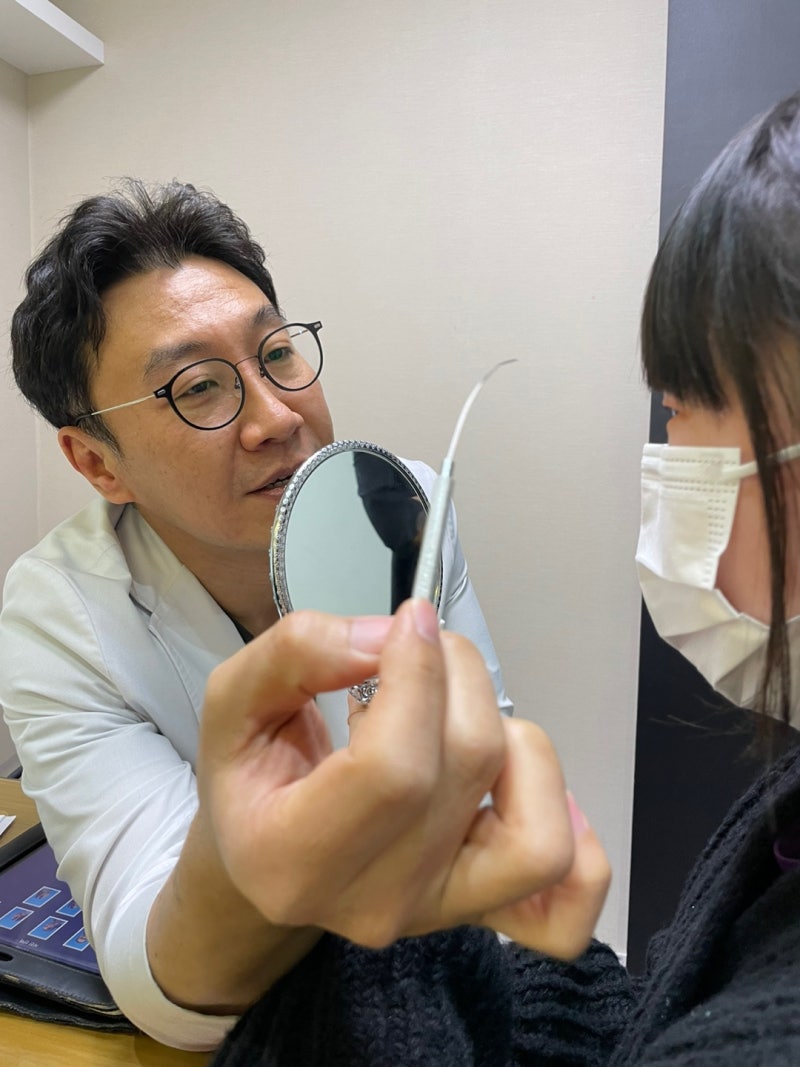
In the case of dark circles, skin pigmentation itself can be the cause.
In such cases, the treatment effect due to pigmentation may not be significant, and improvement may be difficult to expect.
However, the majority of causes can be attributed to changes in under-eye fat.
If dark circles have appeared due to bulging under-eye fat, effective changes can be expected through repositioning.
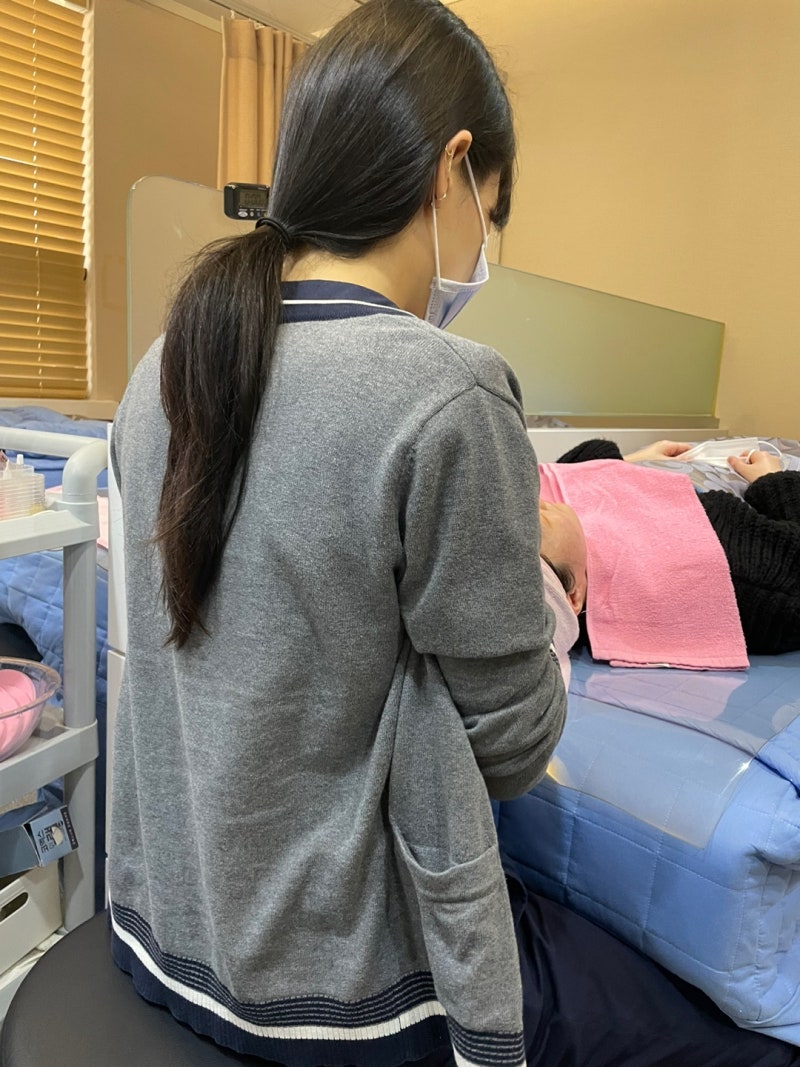
Considering potential side effects is also one of the important aspects.
Firstly, a common side effect is that the under-eye area may become more uneven rather than flat.
This can be caused by adhesions resulting from orbital septum destruction. Therefore, to prevent this, under-eye fat repositioning should be performed with orbital septum preservation or reinforcement.
This means preventing unnecessary adhesions and unevenness, which can lead to long-lasting surgical effects.
The pain during the surgery is generally not significant.
The procedure time and process are also not overly complex.
However, to avoid damage to blood vessels and nerves and to minimize concerns about scars, it is advisable to seek medical staff with experience in a significant number of cases.
It is important to thoroughly check the medical staff's experience, equipment, and treatment system before making a decision.

The appropriate method can be found depending on how much under-eye fat protrudes and the extent of skin sagging.
If there isn't much under-eye fat, it can be removed. However, if there is a lot of fat or sagging skin, under-eye fat repositioning or lower blepharoplasty can be performed to improve the condition, depending on the individual's cause.
It is important to confirm that the medical staff will be in charge of the entire process from consultation to surgery and post-operative care. This ensures a quick response if any unforeseen problems arise.
After the procedure, cold compresses should be used for about 3 days to manage swelling.
After suture removal, warm compresses can be used to manage swelling and bruising.
It is advisable to abstain from alcohol and smoking for about a month.
Since these can cause inflammation, adhering to these post-operative care guidelines is important for satisfactory results and faster recovery.
** This post is an advertisement written by Diva Plastic Surgery Clinic in compliance with the Medical Advertising Act. **
Frequently Asked Questions
When can under-eye fat repositioning be considered?
Under-eye fat repositioning can be considered when the under-eye area is not smooth, making one look tired or older, or when under-eye fat appears hollow along with dark circles. It can be particularly effective when symptoms worsen due to aging or stress.
How is the under-eye fat repositioning procedure performed?
Under-eye fat repositioning is performed through a micro-incision in the inner conjunctiva of the eye. Through this incision, the under-eye fat is evenly spread out to flatten the uneven under-eye area. While it is not a bone-shaving surgery, caution is required due to its proximity to blood vessels and nerves around the eye.
Are there any side effects after under-eye fat repositioning?
One potential side effect after under-eye fat repositioning is that the under-eye area may become more uneven rather than flat. To prevent this, the procedure should aim for orbital septum preservation or reinforcement to prevent unnecessary adhesions and maintain the surgical effect for a long time.
Can dark circles also be improved with under-eye fat repositioning?
Yes, if the majority of dark circles are caused by changes in under-eye fat, effective improvement can be expected with under-eye fat repositioning. However, if skin pigmentation itself is the cause, the treatment effect may not be significant, and in severe cases, dark circle surgery may need to be performed concurrently.
What kind of post-operative care is needed after under-eye fat repositioning?
For about 3 days after surgery, cold compresses should be used to manage swelling. After suture removal, warm compresses are used to manage swelling and bruising. Abstaining from alcohol and smoking for about a month is important for recovery and satisfactory results, as they can cause inflammation.
What is important when choosing medical staff for under-eye fat repositioning?
Under-eye fat repositioning requires caution due to its proximity to blood vessels and nerves around the eye, so it is crucial to choose medical staff with extensive clinical experience and expertise. In addition to the medical staff's experience, you should check the equipment, treatment system, and whether the medical staff will be in charge of the entire process from consultation to post-operative care.