2023-05-15
The Right Way to Reduce Your Nasal Tip
The shape and height of your nasal tip significantly impact your overall facial impression. A blunt, low, or rounded tip can make your nose look dull or even unsophisticated. Nasal tip reduction can create a more refined and natural look.
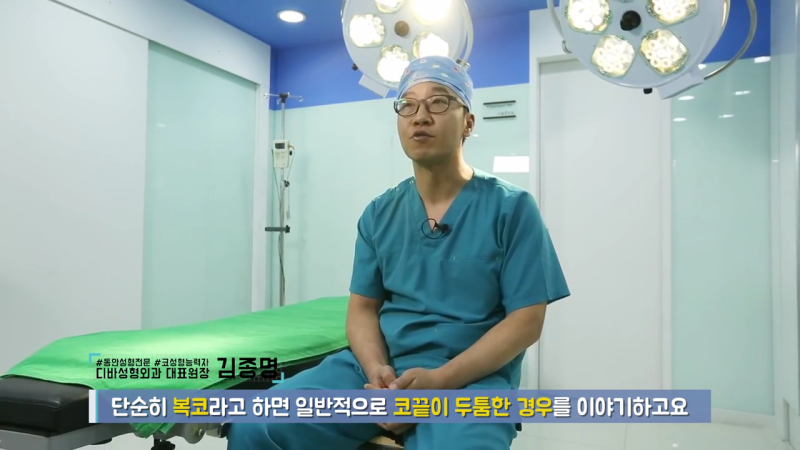

The shape and height of the nasal tip
significantly influence the overall impression
your nose conveys. Even if the bridge of your nose is high,
if the tip is low, rounded, or blunt,
it can create a flat and dull appearance,
and even give off an unsophisticated impression.
In such cases, people often wonder how to improve it.
Rather than simply raising the bridge of the nose,
procedures like nasal tip reduction, which balance
the shape and height of the nasal tip,
are considered a more natural and efficient method of improvement.
Nasal tip reduction involves surgery on a specific part of the nose,
which can reduce the burden of the surgery itself
and allow for natural, unnoticeable improvement.
What's crucial during the procedure is a precise
understanding of each patient's unique nasal type and condition.
Based on this, the goal is to suggest appropriate,
customized methods.

Nasal tip reduction can be performed through nasal tip cartilage suturing
or surgery.
If surgery involves inserting an implant,
the type of implant used is of utmost importance.
While artificial implants like silicone can be used,
it's also possible to use the patient's own septal cartilage or ear cartilage.
With artificial implants, there's a concern about side effects
such as the nasal tip turning red or deforming,
implant displacement, or contracture.
Using autologous tissue can reduce these issues
and achieve a more natural line.
Problems like foreign body sensation and rejection reactions can also be minimized,
so it's important to check every detail beforehand to determine a specific
direction.
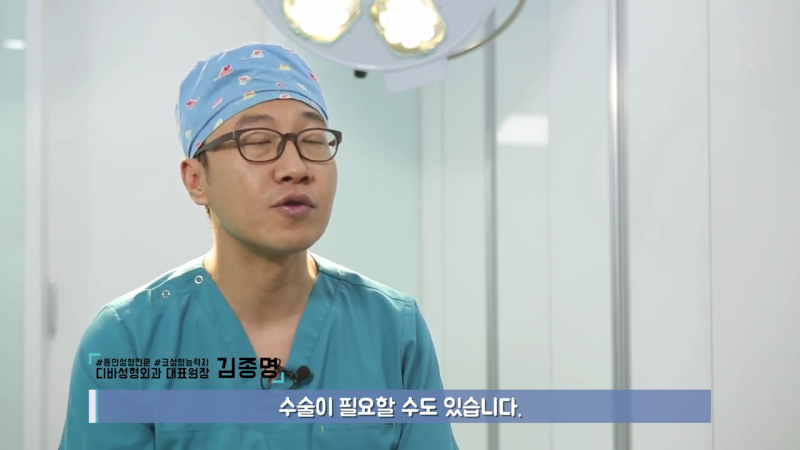
Nasal tip reduction involves building a pillar in the columella area of the nasal tip
and increasing the height of the nasal tip to transform a blunt and wide tip
into a more defined and prominent one.
The procedure should consider the nasal tip's height, shape, angle, and cartilage strength,
and the appropriate type of surgery,
method, and design should be customized for each individual.
If necessary, it can also be combined with bridge augmentation surgery.
There are various methods such as correction of a drooping tip (aquiline nose), septal deviation,
and nasal tip lengthening, so you can find the method that suits you best.
In cases where there's an aversion to implant surgery,
the nasal tip cartilage suturing method can be chosen to refine the shape.

If the nasal tip's shape is somewhat defined and the cartilage has strength,
nasal tip cartilage suturing alone can significantly increase satisfaction with nasal tip reduction.
By gathering and suturing the spread nasal tip cartilage and then fixing it,
a blunt nasal tip can become more prominent, and its shape can be meticulously refined.
Of course, if the nasal tip height is low, this method
might not yield high satisfaction.
In such cases, improvement through adding an implant is necessary.
For a short nose (upturned nose) where the nostrils are visible,
stronger support is needed to lift it, so
the surgical method, type of implant, and degree of correction
must be thoroughly re-checked.
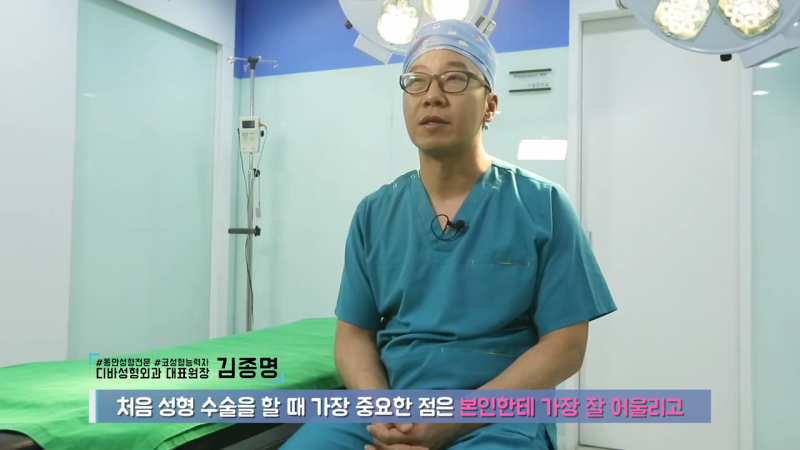
For nasal tip reduction that requires an implant,
additional cartilage is added over the strong supporting cartilage
to make the nasal tip prominent, raise it,
and design it.
The design must consider each person's nasal tip height, the angle and height
from the glabella to the nasal tip and chin,
and be customized accordingly.
By considering each person's nose shape, the condition of the nasal tip cartilage,
and the required degree of correction to select and proceed with a customized surgical method,
satisfaction can be increased, and natural improvement is possible.
If the procedure is customized for each individual,
stability can also be enhanced.
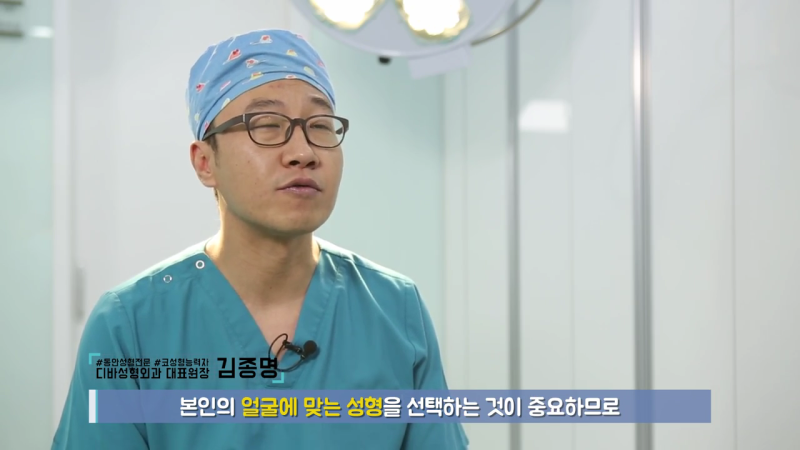
Nasal tip reduction, if not combined with other rhinoplasty procedures,
can significantly reduce the burden of surgery itself
and is a method that can bring about natural and quick changes to the nose's shape.
It's also possible to transform a dull and unsophisticated-looking nose
into a more refined one through a sharp and prominent nasal shape.
The problem is that the skin of the nasal tip is quite thin and sensitive,
so the risk of side effects is considerably high depending on the implant used and the surgical method.
Therefore, it's crucial to avoid rushing the procedure
and to ensure that the appropriate type of surgery, method, and customized design
are confirmed and proceeded with for each individual.
It's also important to thoroughly check and decide on the medical institution and medical team.

Even if the nasal tip is low and blunt,
it's not advisable to perform excessive or overly aggressive correction at once.
If the nasal tip is raised too much or reduced too much,
it can result in an unnatural and awkward nose shape,
and there's also a risk of side effects.
If that happens, revision surgery would eventually be necessary,
so you should seek a place that systematically performs surgery
tailored to each individual to prevent such problems.
Even if it's only for the nasal tip area, considerations for stability
and naturalness should be made, and the method and design
should be customized.
Furthermore, the correction should be delicately adjusted
considering the condition of the nose.
After understanding each person's unique nasal condition and structure,
if possible, applying a non-incisional (closed) method, where surgery is performed internally,
can lead to natural results.
When inserting an implant, if a non-incisional approach is used,
concerns about scars and marks from incisions can be alleviated.
However, this method is more difficult due to a limited field of view,
so it must be performed by medical professionals with extensive experience, skill, and know-how,
and it should be carried out in a facility equipped to support this.
This is an important point to remember.

If you're considering nasal tip reduction, please consult with a specialist
to achieve a nose shape that suits you.
** Please be informed that this post is a promotional post written by Diva Plastic Surgery in compliance with the Medical Advertising Act. **
Frequently Asked Questions
When is nasal tip reduction necessary?
Nasal tip reduction is needed when the nasal tip is low and rounded, creating a blunt and dull impression, even if the bridge of the nose is high. It can be considered when you want to improve an unsophisticated appearance.
What are the methods for nasal tip reduction?
Nasal tip reduction primarily involves two methods: nasal tip cartilage suturing and surgery using implants. The appropriate method is chosen based on the individual's nasal condition, height, and cartilage strength.
What type of implant is best when used?
When using implants, it is preferable to use autologous tissue such as your own septal cartilage or ear cartilage, rather than artificial implants like silicone. Autologous tissue can reduce the risk of side effects and create a natural line.
Are there risks of side effects with nasal tip reduction?
Yes, the skin of the nasal tip is thin and sensitive, making it a surgery with a high risk of side effects. Excessive correction can lead to unnatural results or necessitate revision surgery, so a cautious approach is required.
What is the most important aspect of nasal tip reduction surgery?
The most important aspect is to precisely understand each patient's unique nasal type and condition to find the appropriate customized method. Additionally, thorough consultation with experienced medical staff is essential to ensure safety and naturalness.
Can nasal tip reduction be performed with other rhinoplasty procedures?
Yes, if necessary, it can be performed in conjunction with bridge augmentation surgery. It can be combined with various methods such as correction of a drooping tip (aquiline nose), septal deviation, and nasal tip lengthening to improve the overall nose shape.