2023-03-29
Middle-Aged Eye Surgery Cost: If You Want to Turn Back Time
Middle-aged eye surgery, including upper and lower blepharoplasty, addresses aging signs like droopy eyelids, under-eye bags, and wrinkles. It aims to restore a youthful appearance and improve vision, with costs varying based on individual needs and potential insurance coverage.


The changes associated with aging come to everyone equally.
If fine lines began in your 30s,
by the time you pass your 40s,
you’ll notice that sagging and wrinkles, especially around the thin skin,
become significantly more pronounced.
The skin around the eyes, in particular, is thin,
leading to faster aging.
Aging skin around the eyes not only gives a tired impression
but also causes the eyelids to sag, obstructing vision and adding to daily discomfort.
If the elasticity of the skin under the eyes, rather than the upper eyelids, decreases,
dark circles may become more prominent,
or bulging may occur, contributing to a tired and dark image.
Middle-aged eye surgery, including upper blepharoplasty and lower blepharoplasty,
is performed to improve such images.
Upper blepharoplasty is designed to improve the phenomenon that occurs as
the skin of the eyelids sags with age, weakening the power to open the eyes.
By incising and lifting the sagging skin above the eyes,
it creates elasticity and helps the eyelids open
with their own strength. When performed well,
it can also be effective in improving forehead wrinkles caused by forcibly opening the eyes,
leading to high satisfaction.

However, in cases of upper blepharoplasty, a common middle-aged eye surgery,
if too much of the sagging eyelid skin is removed,
the overall impression can become unnatural.
Therefore, it is advisable to proceed with harmony in mind to ensure a natural look.
Before undergoing upper blepharoplasty,
while the aesthetic issue of sagging eyelids is a concern,
it’s also important to note that sagging eyelids can obstruct vision
or cause eyelashes to droop and poke the eyes.
Therefore, it is recommended to get an examination for eye health and daily comfort.

Lower blepharoplasty, also known as middle-aged eye surgery,
is a method to improve problems in the lower part of the eyes
that have sagged and protruded due to aging.
As we age, the fat under the eyes naturally sags,
often creating shadows in the bulging area,
which gives a tired impression.
Many people choose lower blepharoplasty as a way to improve this image.
Lower blepharoplasty, which involves removing or repositioning under-eye fat,
should ideally be performed after a thorough analysis of the amount and distribution of fat,
as well as the degree of protrusion, to avoid a sunken look under the eyes, rather than simply removing it.

Middle-aged eye surgery differs from cosmetic surgery performed in one's 20s.
While there is a cosmetic aspect, it must also ensure no difficulties in daily life.
It should be performed after analyzing skin sagging, muscle mass, and wrinkles,
considering harmony with the overall image, and post-operative care must be systematic.
Since the degree of aging varies from person to person,
it is natural that middle-aged eye surgery should be customized according to individual characteristics.
Both methods require not only technical skill but also delicacy,
so it is recommended to undergo the procedure with a surgeon who has extensive clinical experience.
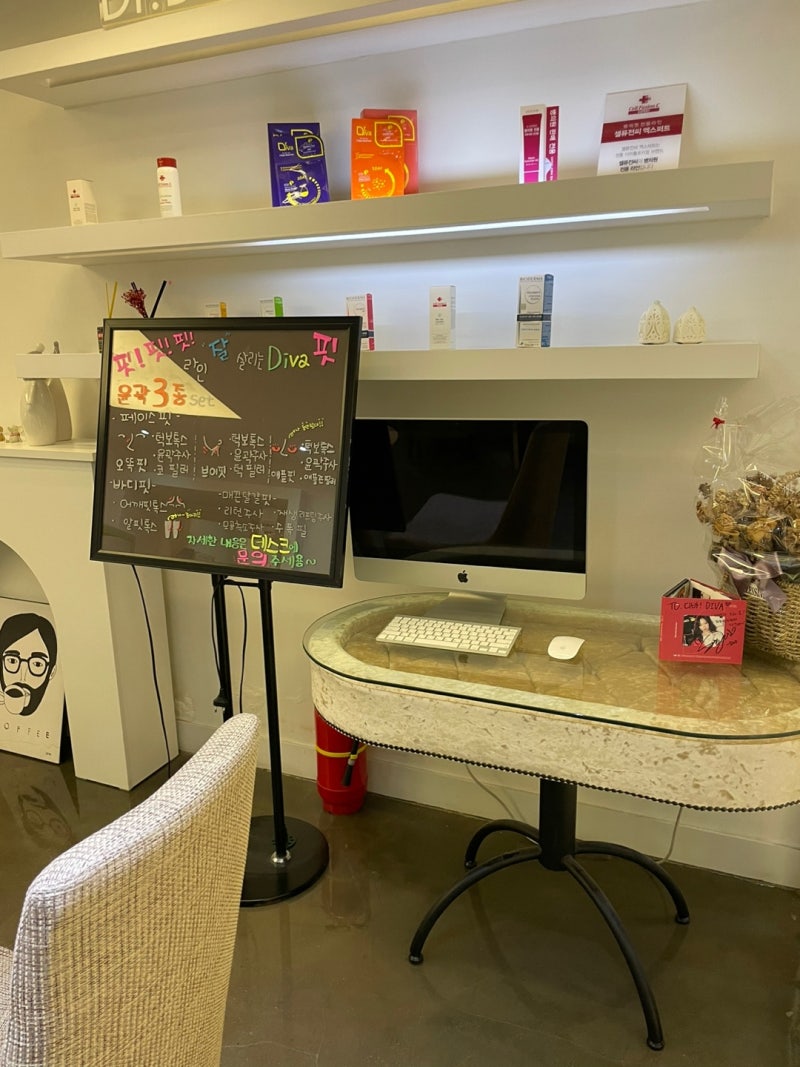
Upper and lower blepharoplasty are known to positively help turn back time,
to the extent of being called ‘rejuvenation surgery’.
However, like all surgeries, these methods also come with side effects.
Upper blepharoplasty can sometimes result in severe swelling,
and if performed in a clinic with poor hygiene management,
one might suffer from inflammation and infection.
Additionally, some people struggle with their eyes not closing properly after surgery,
so it is advisable not to remove an excessive amount of skin during the procedure.
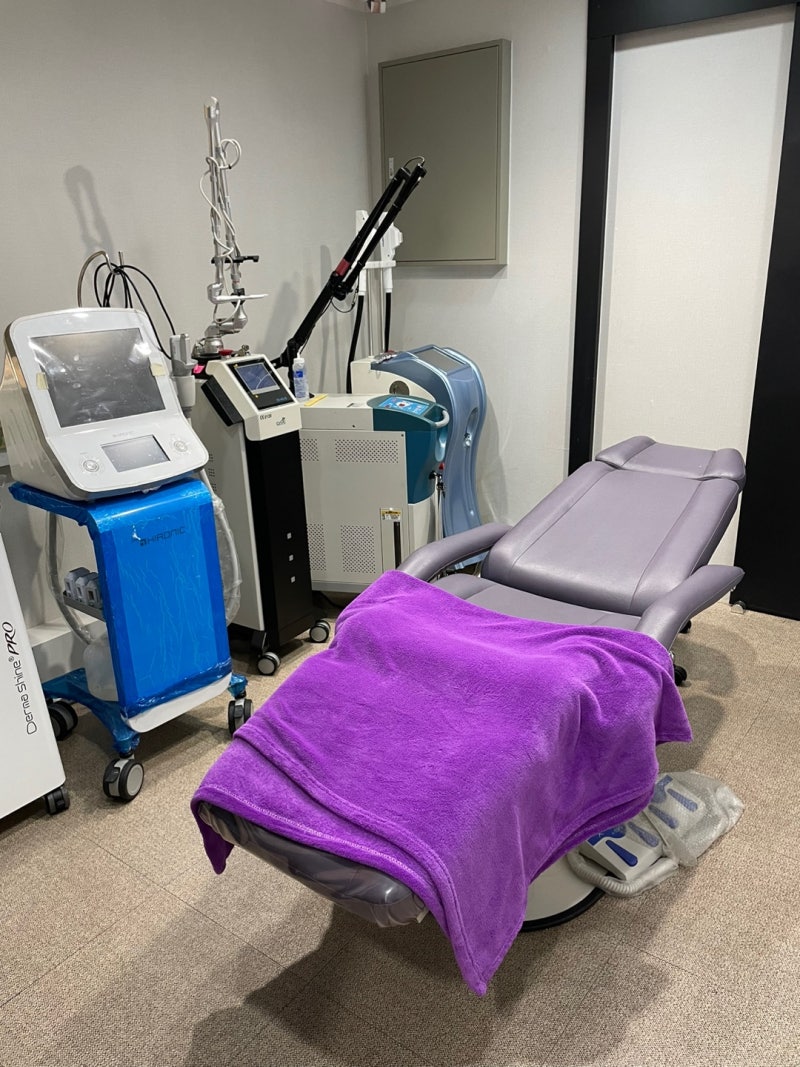
Side effects of lower blepharoplasty can include under-eye hollowing and scarring.
Many people believe that under-eye hollowing occurs when the ‘aegyo-sal’ (under-eye fat roll) disappears.
To prevent such side effects,
the procedure can be performed while preserving or creating the aegyo-sal,
leading to more satisfactory results.

In modern times, often called the ‘100-year life era’,
aging, which truly begins in one's 40s,
is something that requires essential management.
To ensure many comfortable and beautiful days ahead,
please make various efforts through exercise, diet management, and beauty treatments.
If you are considering upper and lower blepharoplasty,
often referred to as middle-aged eye surgery,
it is good to think about your purpose.
If the purpose is cosmetic, you should consider the cost of middle-aged eye surgery,
but if the surgery is planned due to health issues, such as eyelashes poking the eyes,
please check, as insurance claims may be possible in some cases.
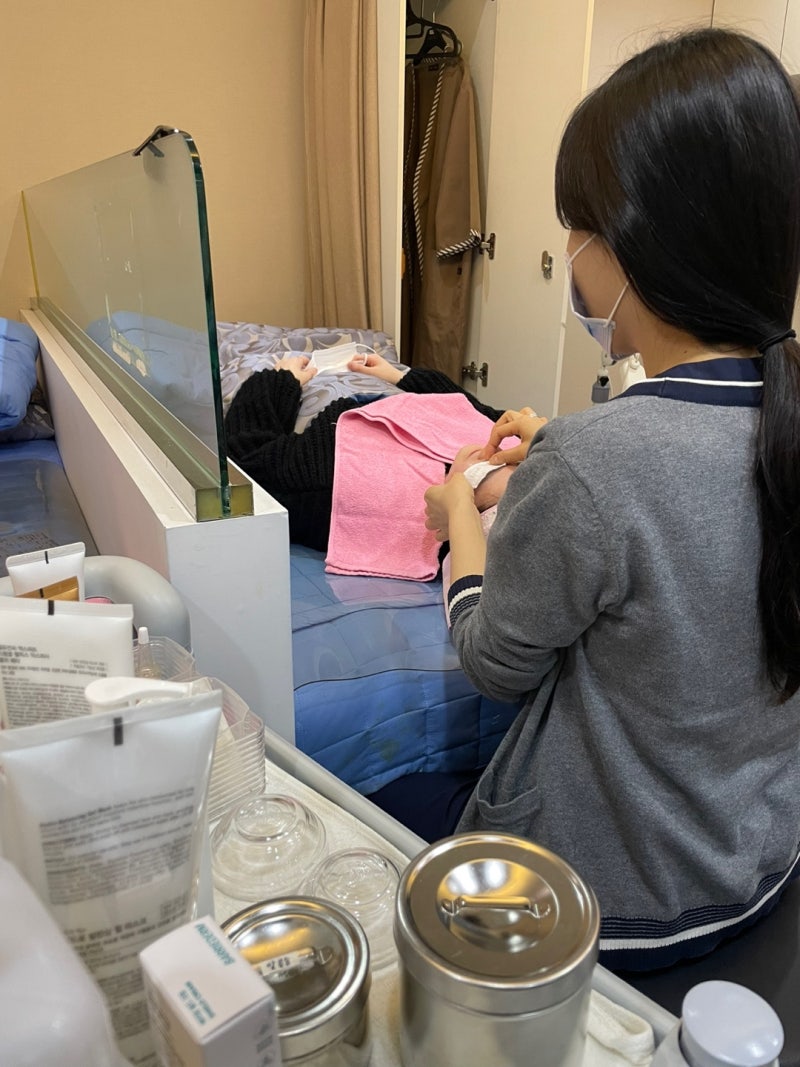
Even if cost is a factor, the price of middle-aged eye surgery
should not be the primary consideration when choosing a clinic.
Given that your eyes will be used for as long as you have lived,
or even longer,
it is crucial to carefully assess your condition
and confirm that the clinic can perform the surgery without issues.
Choose a clinic and check the experience and skill of the medical staff
before proceeding with a consultation.

Just as drawing a line on your eyes can change their shape,
you've likely experienced this through makeup.
Eye surgery, which fundamentally alters the shape,
is an area that brings dramatic changes,
so unlike drawing a line with makeup,
it requires careful consideration.
Upper and lower blepharoplasty not only improves one's image to a brighter one
but also resolves concerns about appearance,
acting as a method to turn back the clock on the face to a more youthful look,
and can help compensate for complexes.
Above all, since this method depends on the skill of the medical staff,
I hope you meet a trustworthy specialist
and achieve good results.
** Please be informed that this post is a promotional post written by Diva Plastic Surgery in compliance with medical advertising laws. **
Frequently Asked Questions
What is middle-aged eye surgery?
Middle-aged eye surgery is a procedure that addresses aging phenomena such as sagging eyelids, under-eye fat protrusion, and wrinkles that occur with age. Upper and lower blepharoplasty are representative procedures, aiming for both aesthetic improvement and functional relief, such as securing vision.
What is upper blepharoplasty?
Upper blepharoplasty is performed when the eyelid skin sags with age, weakening the power to open the eyes. It involves incising and lifting the sagging eyelid skin to create elasticity and assist the eye-opening strength, which can also be effective in improving forehead wrinkles.
When is lower blepharoplasty necessary?
Lower blepharoplasty is a method to improve under-eye problems that have sagged and protruded due to aging. When under-eye fat sags, creating bulges and shadows that give a tired impression, fat can be removed or repositioned to improve to a brighter look.
What are the potential side effects of middle-aged eye surgery?
Yes, side effects can occur. Upper blepharoplasty may result in severe swelling or, if too much skin is removed, difficulty closing the eyes. Lower blepharoplasty may lead to under-eye hollowing or scarring, so caution is advised.
What are the criteria for choosing a clinic for middle-aged eye surgery?
For middle-aged eye surgery, customized procedures based on an individual's degree of aging and characteristics are crucial. Therefore, it is advisable to carefully select a clinic by verifying the skill of the medical staff and a surgeon with extensive clinical experience, and considering harmony with the overall image.
Is the cost of middle-aged eye surgery covered by insurance?
Yes, in some cases, insurance claims may be possible. If the surgery is for cosmetic purposes, the cost of middle-aged eye surgery should be considered. However, if the surgery is planned due to health issues, such as eyelashes poking the eyes, it is recommended to check for insurance coverage.