2023-01-19
Hump Nose Surgery Cost and Side Effects
Learn about hump nose surgery costs, potential side effects, and why choosing the right surgeon is crucial for a natural, harmonious result.


The nose, being the center of the face, significantly influences our overall facial image.
That's why one of the ways to change the overall image of the face is through nose surgery.
Even a small 'petite' nose procedure can change the overall image and impression of the face,
so it's important to carefully choose a plastic surgery clinic for nose surgery. Plastic surgery is usually performed to pursue beauty.
Beauty is not limited to women. Men also desire to look better and more attractive.
Nose surgery, in particular, is a common inquiry among men, who often express complexes about their noses.
For men, the nose can be considered more important than the eyes. The appealing feature is not the eyes,
but rather a sharp nose bridge and a straight, linear profile, which is why many men opt for nose surgery instead of eye surgery.
Nose surgery includes procedures to naturally correct various nose types such as short noses, crooked noses, wide noses, and hump noses.
A short nose, where the tip is upturned and nostrils are visible from the front, is called an 'upturned nose' or 'short nose'.
A crooked nose typically refers to a nose that appears after a nasal bone fracture due to trauma or impact.
A wide nose is a condition where the nasal bones are spread out laterally, making the nose appear wide and large from the front.
In this case, wide nose surgery (alar reduction) can reduce the size of the nose by bringing the nasal bones inward.
The size and width of the nose can be reduced, and the angle and height can be adjusted. A hump nose
refers to a nose where a part of the nasal bridge protrudes like a bump. This is due to a protrusion at the junction of the bone and nasal cartilage, and it can be treated by trimming and removing the protruding nasal bone and cartilage. This shape can be caused by genetic factors or external impact. Because it can give a strong and aggressive image,
I've seen many cases where individuals have a complex about their hump nose.
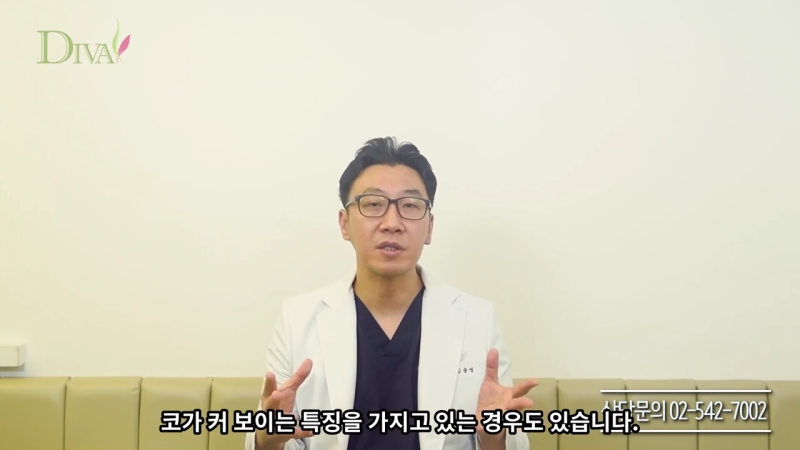
Most male nose surgeries are for hump noses. If the middle part of the nasal bridge is raised or
the nose line is not smooth when viewed from the side, it is also considered a hump nose.
This also applies to cases where the nose is severely wide and high. In such cases, depending on the degree of the hump nose,
the impression can appear fierce or leave a strong image. Many men with complexes about their nose shape
are considering surgery.
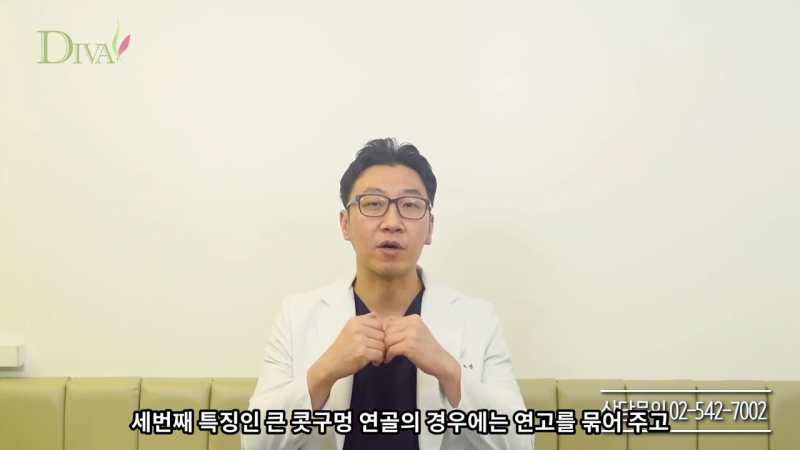
One might think that a large and thick nose emphasizes masculinity, but the current trend for nose shapes
is a nose that harmonizes well with the face shape. Bigger and thicker doesn't automatically mean more attractive.
Depending on the shape of the nose, the impression, image, and overall facial harmony can appear differently.
Therefore, unlike in the past, nose surgery, which was once primarily of interest to women, is now
also popular among men. Hump nose surgery can be performed for men who desire a sharp nose bridge and a straight, linear profile.

The surgical method for a hump nose varies depending on the width of the nasal bone or the degree of curvature of the nasal bridge.
First, surgery is performed to straighten the crooked nasal bridge, followed by either a non-incisional or
incisional approach for cartilage insertion. After that, a custom-designed implant is precisely placed,
and the shape of the nasal tip is refined using autologous tissue or cartilage. Meticulous suturing
completes a natural and three-dimensional nose line from the bridge to the tip.
Since men generally have thicker blood vessels than women, hump nose surgery should be performed after considering
bleeding, swelling, and bruising. A different approach is needed compared to women, and it is important to choose a plastic surgery clinic with a specialist who has extensive anatomical knowledge and rich expertise.
Surgery that can effectively refine a man's skeletal structure and nose shape is required.
The protruding part of the hump nose is removed, and if necessary, the nasal bridge is corrected with implants like silicone.
A wide nasal bridge and blunt nasal tip can be addressed with osteotomy or cartilage repositioning, and surgery to refine the shape of the nasal tip can also be performed.
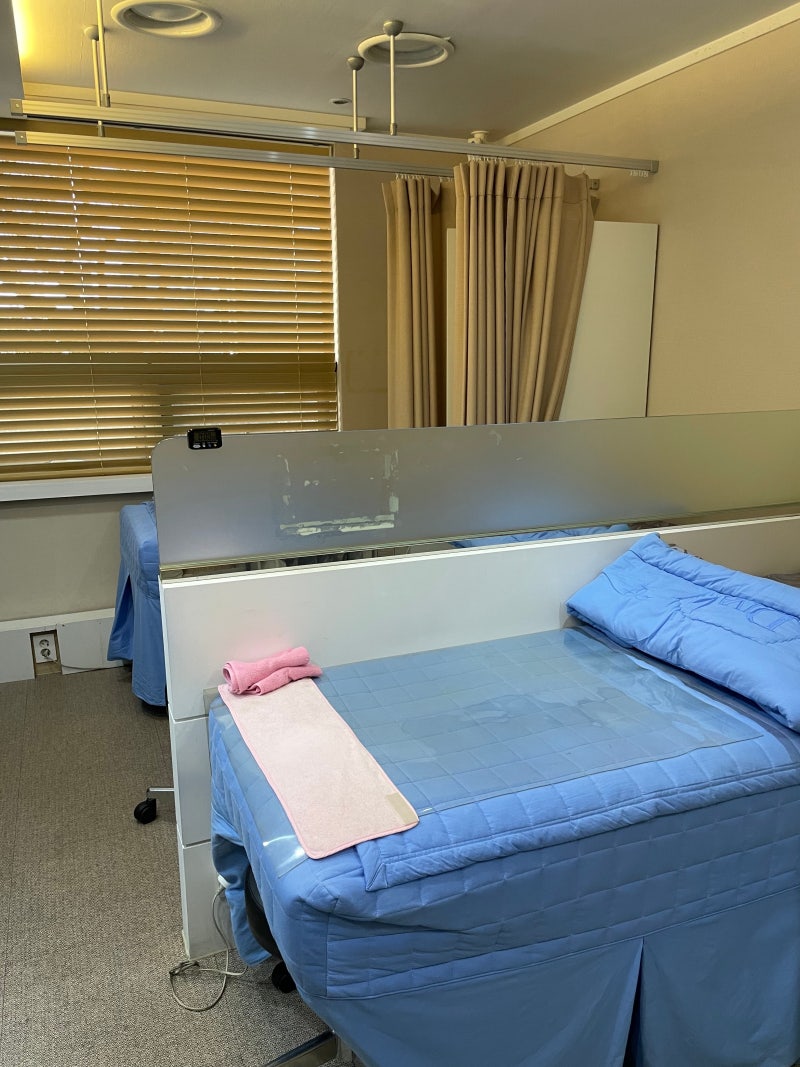
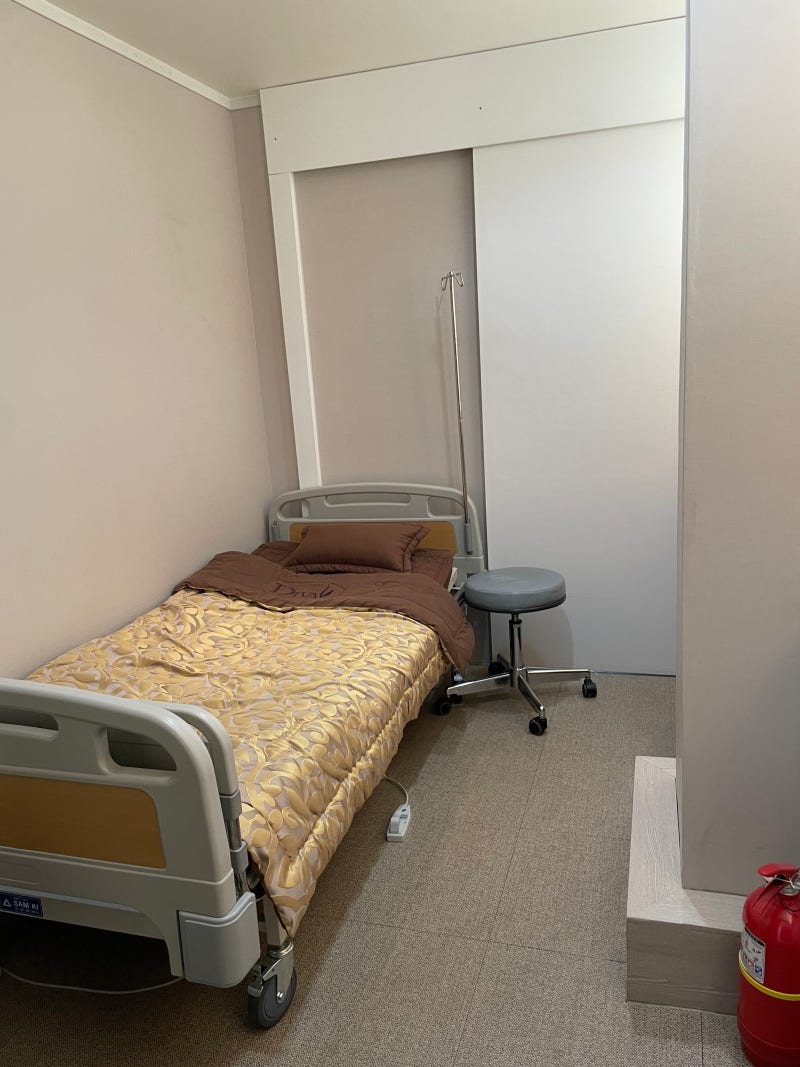
At Diva Plastic Surgery, male nose surgery does not require hospitalization and takes about 1 hour.
It is performed under conscious sedation, and stitches are removed after 5 to 7 days, allowing for a return to daily life
after 5 to 7 days. It is essential to choose the most suitable surgical method for each patient.
Because a man's nose has a complex internal structure and internal functions, it must be selected based on a precise examination and diagnosis tailored to the individual's nasal condition.
Diva Plastic Surgery offers autologous tissue nose surgery. Autologous tissue nose surgery provides permanent results and
can create a sophisticated nose using only the patient's own tissue. It also allows for a soft touch to the nose
and, because there is no foreign body sensation with a hump nose, there is no change in shape from external impact, ensuring excellent safety.
Many people prefer and inquire about it due to the absence of side effects.

Since autologous tissue is the body's own tissue, it has excellent biocompatibility and is said to settle stably within the nose.
It is harvested and used from locations such as the temporalis fascia, autologous dermis, septal cartilage, ear cartilage, rib cartilage, and autologous fat.
In particular, ear cartilage is softer and has a curved shape compared to the septum, making it a material that creates a soft and natural shape for the nasal tip.
It can fill the nasal tip without a hard foreign body sensation and is frequently used in nose surgery due to its excellent elasticity.

For male nose surgery, artificial implants can be chosen, or autologous tissue can be used
for rhinoplasty. The medical staff will provide delicate and detailed consultations to help patients choose the most suitable surgical method for them, striving to use materials that are best suited for the patient and minimize side effects after surgery.
** Please be informed that this post is a promotional post written by Diva Plastic Surgery in compliance with medical advertising laws. **
Frequently Asked Questions
What kind of nose is a hump nose?
A hump nose refers to a nose where a part of the nasal bridge protrudes like a bump. This is due to a protrusion at the junction of the bone and nasal cartilage, and it can be caused by genetic factors or external impact. It can give a strong and aggressive impression.
How is hump nose surgery performed?
Hump nose surgery first involves straightening the crooked nasal bridge, then trimming and removing the protruding nasal bone and cartilage. Afterward, a custom-designed implant or autologous tissue is used to create a natural and three-dimensional line from the nasal bridge to the tip.
Are there any special considerations for male hump nose surgery?
Yes, men generally have thicker blood vessels than women, so bleeding, swelling, and bruising need to be considered. It is crucial to choose a plastic surgeon with extensive anatomical knowledge and rich expertise who understands and can effectively refine a man's skeletal structure and nose shape.
What are the advantages of autologous tissue nose surgery?
Yes, autologous tissue nose surgery provides permanent results, and because it uses the body's own tissue, it has excellent biocompatibility and is stable. It offers a soft touch without a foreign body sensation, and there is minimal change in shape from external impact, making it safe with fewer side effects.
When can daily life resume after hump nose surgery?
After hump nose surgery, stitches are usually removed after 5 to 7 days. Daily life can reportedly resume after the stitches are removed. The surgery takes approximately 1 hour and is performed under conscious sedation.
Where is autologous tissue typically harvested from?
Autologous tissue is harvested from various sites such as the temporalis fascia, autologous dermis, septal cartilage, ear cartilage, rib cartilage, and autologous fat. Ear cartilage, in particular, is soft and has a curved shape, making it frequently used to create a natural shape for the nasal tip.