2023-02-02
How to Quickly Reduce Swelling After Nose Surgery?
Learn effective ways to manage and reduce swelling after nose surgery, including cold/warm compresses, light activity, and post-operative care tips.
When I first heard we had to live with masks, I thought it would be incredibly inconvenient and wanted to rip it off immediately. But after wearing it for a while, I found it wasn't that uncomfortable, and it even had some advantages. In the past, I had to meticulously apply makeup before going out, but for the past few years, I've relied on masks and only focused on eye makeup. However, this lifestyle can't continue forever, nor should it.
With the news of outdoor mask mandates being lifted, stepping outside without a mask felt different from before. People gathered, and some even joked about feeling ‘naked’ without their faces covered. It also felt strange to see the faces of people I had only recently met for the first time.
Now, with talk of indoor mask mandates also being lifted, many people are considering plastic surgery for the areas that were previously covered. If you're tired of being called a ‘mask beauty’ because only your eyes are pretty, nose surgery can be a way to address your complex. It's natural to feel scared when looking up reviews before making a decision. If you've never had surgery except for being born, it's even more daunting.
I believe that making a personal decision to change your face is a significant one, requiring much thought and research.
Especially with nose surgery, a recovery period is needed, so it's important to check how much time off you can take. Since it's not a simple procedure like a minor cosmetic treatment, you'll need time for bruising and nose surgery swelling to subside. While there are concerns about side effects, the swelling after nose surgery can make it difficult to return to daily life, which is a valid concern.
Nose surgery swelling is a natural phenomenon that occurs in everyone, though the degree varies from person to person, after undergoing surgery that alters the internal structure and shape of the nose. Typically, major swelling subsides in about 5 days, or generally 7 days, making it possible to meet people without much difficulty. However, since this can vary for each individual, it's advisable to allow a generous period of about 10 days. Of course, following the precautions given by the hospital, such as refraining from alcohol and smoking, and avoiding excessive stimulation, will ensure a faster recovery.
Even without considering nose surgery swelling, you'll have a splint after the surgery, which might make social activities challenging. While it's not impossible, you might feel a bit awkward facing others.
However, the splint must be worn not only to fix the shape but also to prevent blood or fluid from accumulating. It also positively impacts preventing excessive swelling, making it essential for those concerned about nose surgery swelling.
Immediately after surgery, the nose surgery swelling might not be severe, leading you to think, ‘This isn't too bad?’ However, swelling typically peaks around the second day after surgery. You might be surprised, but don't worry, as you'll see the swelling gradually decrease after two days. If the swelling, pain, and bruising are severe and progressively worsen, you'll need to visit the hospital where you had the surgery for a check-up.
While noticeable swelling that stands out usually disappears within about a week, allowing you to resume daily life without issues, subtle swelling can persist for two to three months. This varies from person to person; if your skin is thick, it might remain swollen for longer.
If you want to reduce nose surgery swelling quickly, you can try applying compresses.
For the first 2-3 days when swelling is significant, cold compresses are effective. Afterward, warm compresses can help promote blood circulation. If swelling persists, medication or injections might be an option, but this varies by hospital, so you'll need to check with the facility where you had the surgery.
Additionally, if you just lie down because you find it difficult to face others, it might not help with the swelling, so light physical activity is better.
If you're concerned about nose surgery swelling and side effects, finding a hospital that prioritizes your well-being is most important.
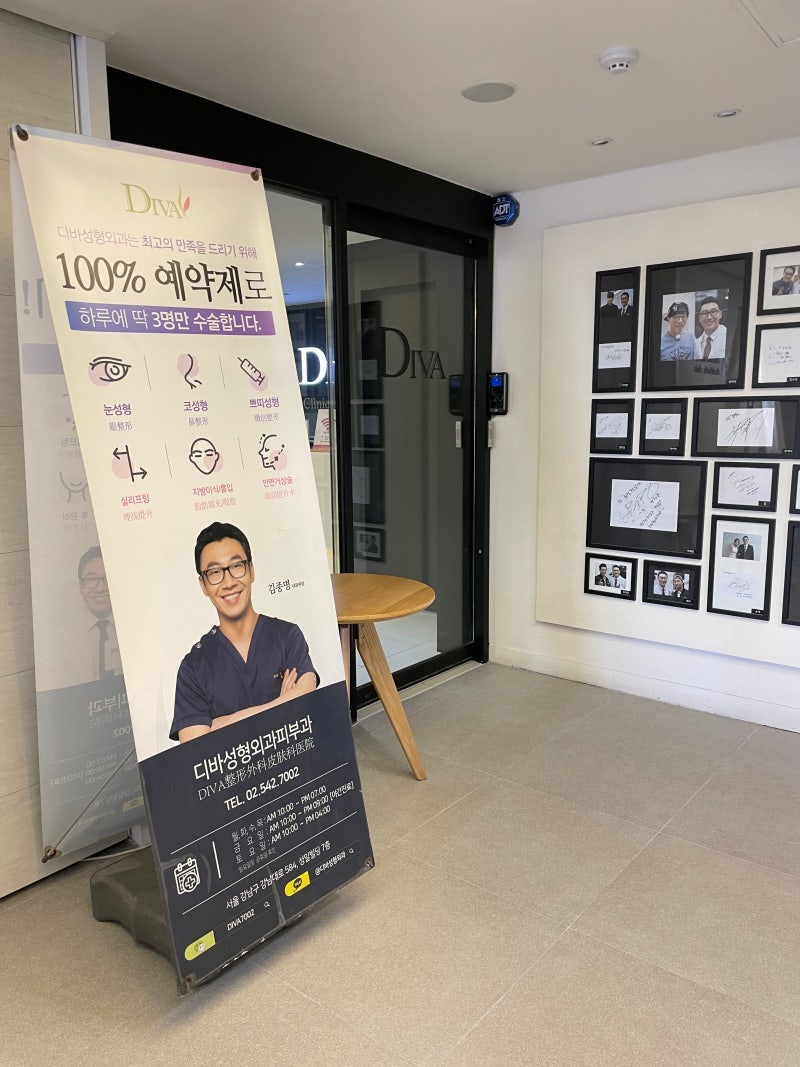
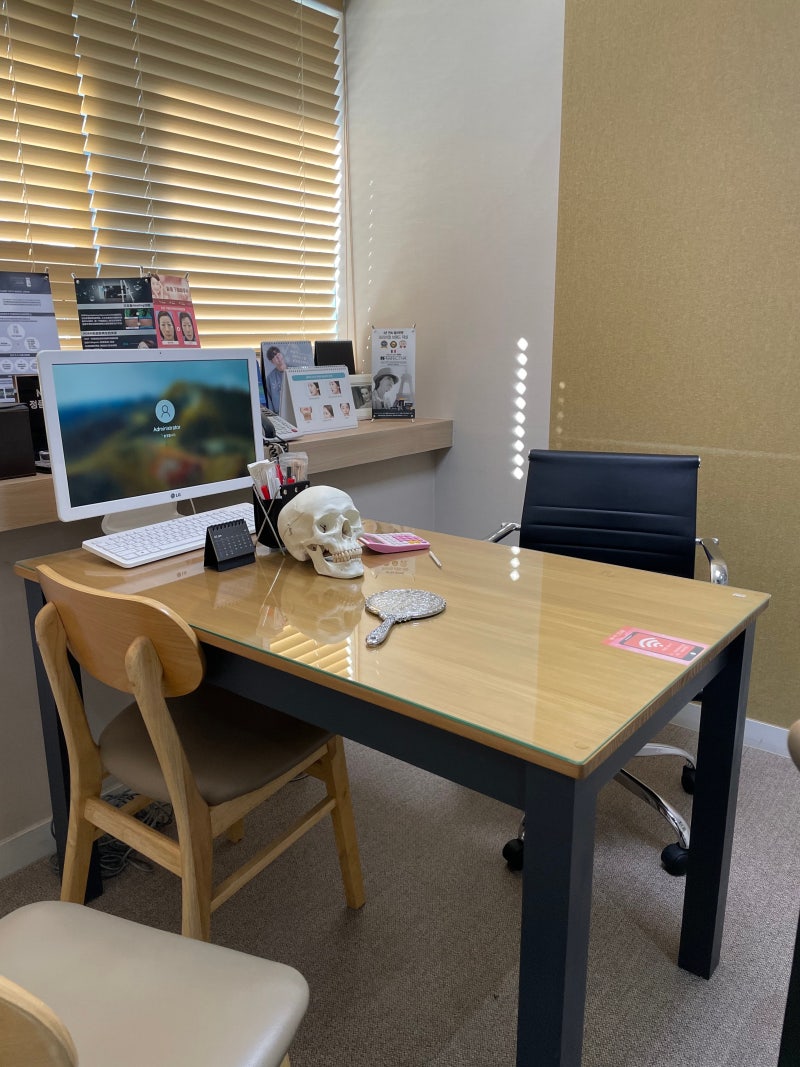
Diva Plastic Surgery offers a 1:1 customized care system that covers consultation, examination, surgery, and most importantly, post-operative care. The head director personally handles everything and performs only three surgeries a day, making it a highly trustworthy place.
Some of you might recognize the director from TV programs like ‘Star King,’ ‘Saengsaeng Jeongbotong,’ or ‘Vitamin.’ As someone whose name and face are widely known, they strive to minimize the chances of side effects, making it a reliable choice.

Diva Plastic Surgery's nose surgery emphasizes shape and angle to create a beautiful line that suits each individual. We generally consider a 'beautiful nose' to have a width about one-fifth of the face's length when the face is divided vertically into five equal parts, similar to the distance between the eyes. An ideal nasolabial angle is typically between 95 and 105 degrees. If the nasal tip is too long or droopy, it can make one look older, and if the angle is too large, it can result in an upturned nose, requiring careful consideration.
Post-operative care, including managing nose surgery swelling, is also meticulously provided, so you can consult without worry.

If the surgery goes well and your concerns about nose surgery swelling are resolved, taking off your mask will be no big deal!
You've put in a lot of time and effort to contemplate and decide on your journey to confident beauty. Well done. We hope you become even more beautiful this year and will return with more valuable information next time!
** This post is an advertisement written by Diva Plastic Surgery in compliance with medical advertising laws. **
Frequently Asked Questions
When is swelling most severe after nose surgery?
Swelling after nose surgery is generally most severe around the second day post-operation. After this, you will gradually see the swelling subside, so there's no need to worry too much.
When does major swelling typically subside after nose surgery?
Major swelling usually subsides in about 5 days, or generally 7 days, making it possible to meet people without much difficulty. However, as this can vary for each individual, it's advisable to allow a generous period of about 10 days.
What methods can be used to manage swelling after nose surgery?
For the first 2-3 days when swelling is significant, cold compresses are effective. Afterward, warm compresses can help promote blood circulation. Additionally, following the precautions given by the hospital, such as refraining from alcohol and smoking, avoiding excessive stimulation, and engaging in light physical activity, is beneficial.
Why is a splint necessary after nose surgery?
The splint must be worn not only to fix the nose's shape but also to prevent blood or fluid from accumulating in the surgical area and to positively impact the prevention of excessive swelling.
How long can subtle nose surgery swelling last?
While noticeable swelling that stands out usually disappears within about a week, subtle swelling can persist for two to three months. If your skin is thick, it might remain swollen for longer.
What should I do if swelling is too severe or keeps worsening?
If the swelling, pain, and bruising are severe and progressively worsen, you'll need to visit the hospital where you had the surgery for a check-up. This is an important matter, so you must consult with the hospital.