2023-03-30
How to Reduce Nose Surgery Swelling Quickly: Beware of Side Effects
Learn how to manage swelling and potential side effects after nose surgery. This guide covers post-operative care, including cold/warm compresses, splint maintenance, and when to resume daily activities like washing and light exercise, emphasizing the importance of following medical advice to ensure a smooth recovery.
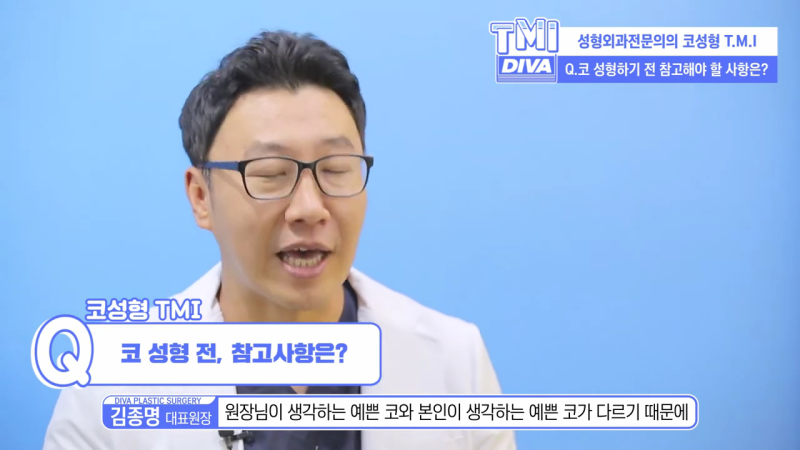

Whether we like it or not, living among many people means we inevitably consider our first impressions and image.
While various factors determine one's image, it's an undeniable fact that appearance plays the biggest role.
Thus, although inner beauty is often said to be more important than outer appearance, managing one's physical looks continues to gain importance.
Recently, with self-care being highly valued, external changes through plastic surgery are being received more positively than in the past.
In particular, despite the severe pain and long recovery period, nose surgery, which boasts high satisfaction rates and helps create a more three-dimensional facial image, is seeing its popularity grow day by day.
However, while nose surgery can lead to high satisfaction if successful, we cannot overlook the high probability of side effects.
Especially when touched by hand or subjected to external impact, inflammation can occur, exacerbating the problem.
Today, we will explore precautions after nose surgery, methods to reduce nose surgery swelling quickly, and potential side effects.
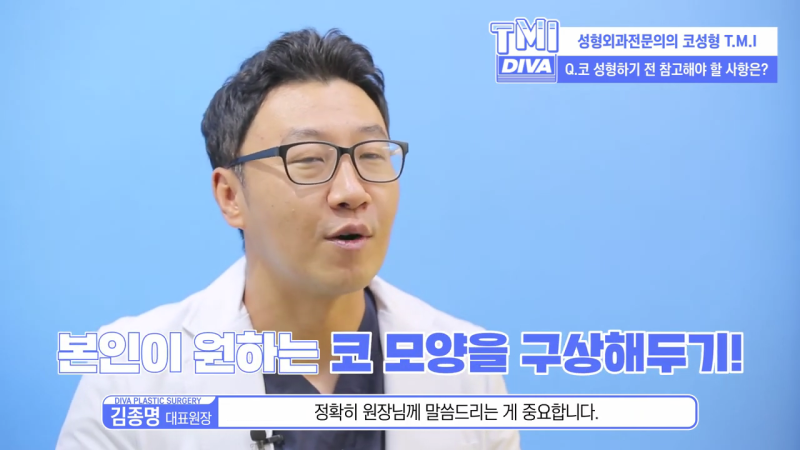
The reason for emphasizing precautions after nose surgery is to ensure a quick recovery and prevent side effects.
Immediately after surgery, if you bend your head down, blood can rush to your head, worsening the swelling. Therefore, it's recommended to sit leaning on a sofa with your head tilted back rather than lying down.
The first two days after surgery are when nose surgery swelling and bruising are most severe.
During this time, it's common to feel anxious about how your condition will progress.
After about two days, the severity gradually subsides, so it's especially important to be careful during this period.
Applying a cold compress for these two days helps constrict blood vessels and reduce swelling in the surgical area.
Since the nose is still unstable, strong pressure or impact must be avoided. From the third to fourth day, switch from cold to warm compresses to promote blood circulation and prevent bruising and swelling from worsening.
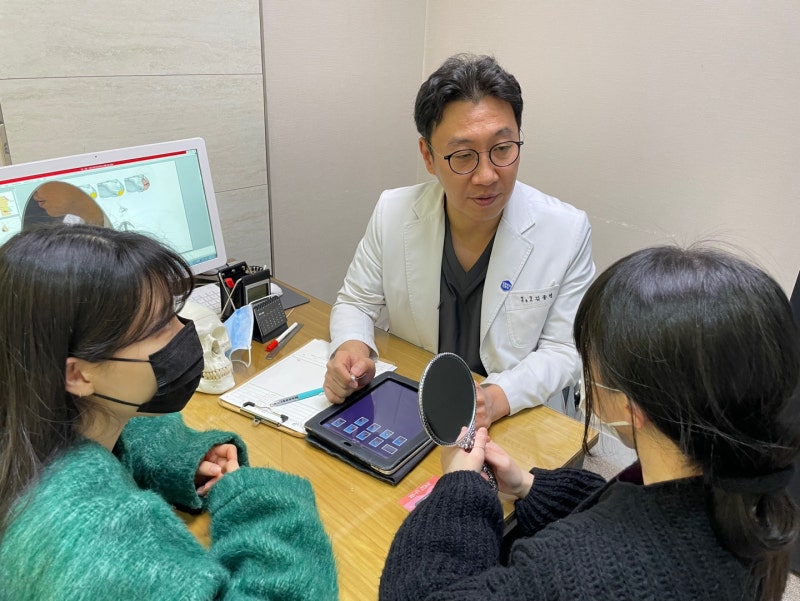
The splint or tape applied to your nose must be kept on until it is removed at your follow-up visit, no matter how uncomfortable it may be.
If you remove it yourself due to discomfort or if it accidentally falls off, the implant inserted during surgery could shift or become dislodged, leading to changes in the nose's shape. In such cases, you should visit the clinic quickly to have your condition checked.
When washing your face or showering, it's advisable to be careful around the splint and taping areas.
Try your best to avoid getting water on them, and gently wipe away any remaining moisture around your nose after washing.
If you follow these precautions, you can resume light facial washing and showering from the day after surgery.
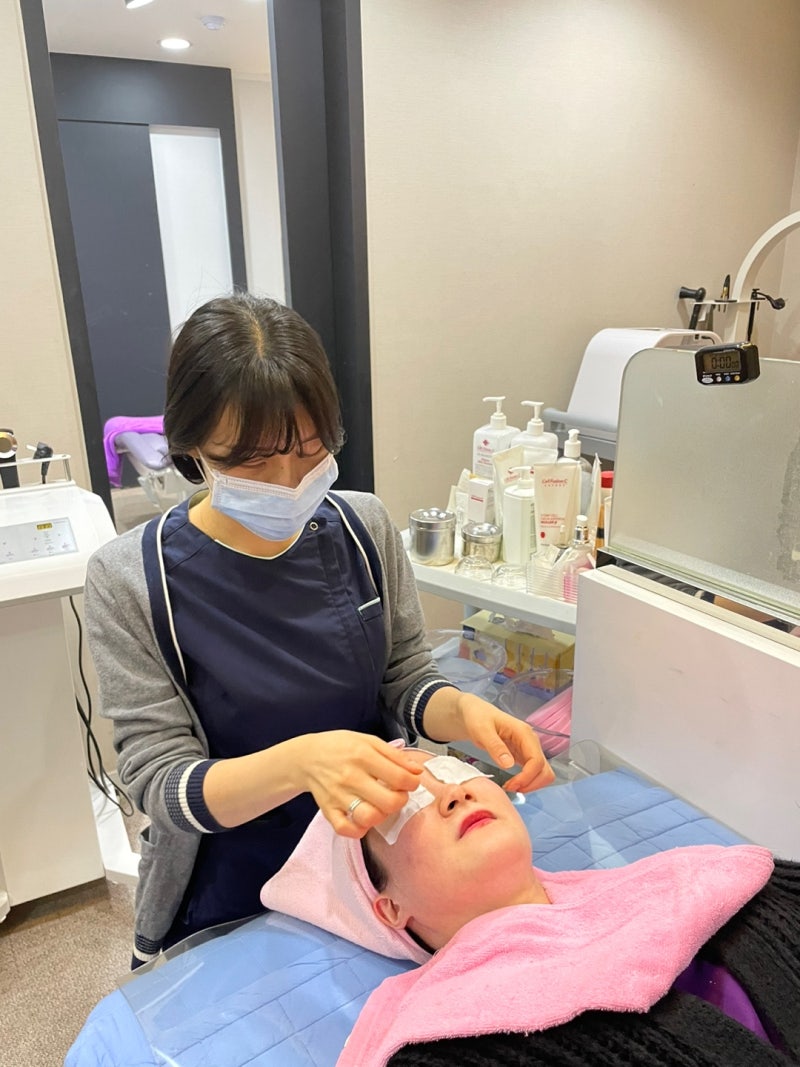
Not only for reducing nose surgery swelling but in any situation, avoiding touching the surgical area before it has settled is most helpful.
It takes about a month for the implant to settle, so it's best to be careful with all actions before then.
Especially when sleeping, be careful not to unconsciously touch your nose or press on it while turning over, as this could cause problems.
Try to maintain a straight sleeping posture.
Keeping your upper body elevated continuously is one helpful method for reducing nose surgery swelling quickly, so please keep this in mind.
Applying makeup while nose surgery swelling is still present is also only possible after about two weeks.
However, even after two weeks, the implant hasn't fully settled, so caution is still needed.
Accessories that rest on the nose, such as glasses, are recommended to be worn after about a month.

One way to reduce nose surgery swelling quickly is through aerobic exercise.
Exercising within reasonable limits helps promote blood circulation and expels waste products through sweat, aiding in the rapid reduction of nose surgery swelling.
However, if you engage in strenuous exercise and impact your nose, it could lead to significant problems such as distortion of the shape or inflammation.
Therefore, please remember to only engage in light exercise that can help alleviate nose surgery swelling.
Nose surgery, which involves inserting a foreign object (implant) into the nose, carries the risk of inflammation.
Therefore, it is crucial to avoid alcohol and smoking, which can cause inflammation.
It's best to abstain from smoking and drinking for a long time, but if that's difficult, please refrain for at least one month to prevent inflammation and the need for revision surgery.

Nose surgery is one of the methods that dramatically transforms one's external appearance, helping many people boost their confidence and express themselves more boldly.
However, there is a possibility of side effects such as implant visibility, protrusion, inflammation, and contracture.
If the nose is excessively heightened just to follow trends, it might not harmonize with one's face, leading to lower satisfaction.
Even if the results are good, it's a surgery that requires careful management of nose surgery swelling and vigilance against problems like inflammation.
It's often said that no method has only advantages. If there's a bright side, there's usually a dark side too.
If you're severely stressed by the shape of your nose and have decided to make a change, please work with medical staff who have extensive clinical experience to minimize side effects and reduce potential problems, and strictly adhere to the precautions provided by the hospital.
We hope you achieve positive results and a better daily life.
** This post is a promotional post written by Diva Plastic Surgery in compliance with the Medical Advertising Act. **
Frequently Asked Questions
When is swelling most severe after nose surgery?
Swelling and bruising after nose surgery are usually most severe for about two days post-operation. It's best to be especially careful during this period, and the severity gradually begins to subside after two days.
How should I apply cold and warm compresses after nose surgery?
For the first two days after surgery, apply a cold compress to constrict blood vessels and help reduce swelling. From the third to fourth day, switch to warm compresses to promote blood circulation and prevent bruising and swelling from worsening.
How long should I keep the splint on after nose surgery?
The splint or tape applied to your nose must be kept on until it is removed at your follow-up visit to the hospital, no matter how uncomfortable it may be. Be careful not to remove it arbitrarily, as the implant could shift or become dislodged.
When can I wash my face or shower after nose surgery?
Light facial washing and showering are possible from the day after surgery. However, be careful not to get water on the splint and taping areas, and gently wipe away any remaining moisture around your nose after washing.
When can I exercise after nose surgery?
After nose surgery, light aerobic exercise within reasonable limits can help promote blood circulation and expel waste products, aiding in the rapid reduction of swelling. Strenuous exercise should be avoided as it can impact the nose.
When can I drink alcohol and smoke after nose surgery?
It is crucial to avoid alcohol and smoking after nose surgery, as they can cause inflammation. You should refrain for at least one month to prevent inflammation and the need for revision surgery.