2023-05-11
If you want a sharp look for a wide, flat nose
The nose, positioned in the center of the face, plays a crucial role in determining a person's overall impression. After mask mandates were lifted, it became as important as the eyes. Many seek consultations to improve this area due to complexes.
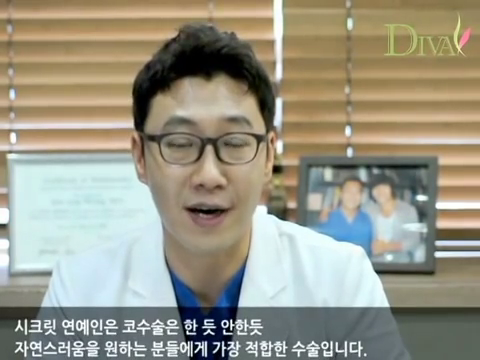

The nose, situated in the center of the face,
plays a crucial role in determining a person's
overall impression.
After mask mandates were lifted, it is often
mentioned as an important feature alongside the eyes.
Many individuals with complexes about this area
seek consultations to improve it.
Anatomically, compared to Westerners, East Asians
tend to have thicker skin at the nasal tip and firm,
flared nostrils. The wide space between the nostrils
and the broad nasal tip mean that the East Asian
nose shape is somewhat distant from the sharp
nasal bridge and sophisticated look that is currently
trending.
When looking to improve such a wide and flat nose,
people often explore various methods.
These include alar reduction and bulbous nose correction.
First, alar reduction involves either incising both nostrils
or using threads to narrow the nostrils.
Depending on the alar reduction process, there are both
incisional and non-incisional methods.
The incisional method tends to yield higher satisfaction
for those with a wider nasal base, and with advancements
in medical technology, concerns about scars from the
incisions have been reduced, making it a popular choice.
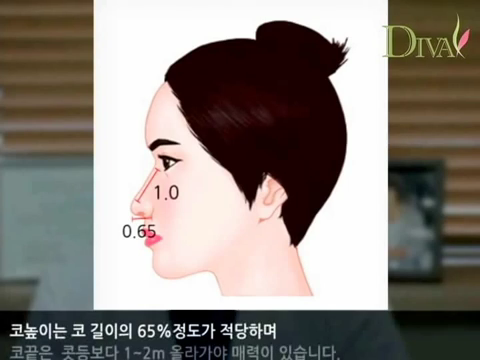
The non-incisional method is relatively simpler
compared to incision and offers the advantage of
faster recovery.
However, a drawback is that the cases suitable for
the non-incisional procedure are somewhat limited.
Bulbous nose correction refers to improving a nose
with a round and blunt tip into a more defined shape.
Just as nose shapes vary from person to person, bulbous
noses also come in different types. Therefore,
bulbous nose correction procedures can vary
depending on the specific type.
If the nasal bridge and nostrils are wide, osteotomy of the
nasal bridge followed by lifting and simultaneously reducing
the nasal tip can create an overall slimmer line.
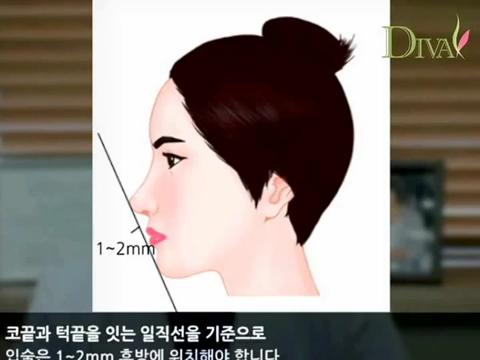
People all have different facial features and appearances.
However, the nose, in particular, can vary greatly,
making it necessary to diagnose the appropriate procedure
through a detailed analysis of each individual's nasal condition.
This is because it leads to highly satisfactory results for both
the patient and the medical team.
Furthermore, if an incisional procedure is performed and
post-operative care is insufficient, scars may become noticeable
over time. Therefore, before proceeding with the procedure,
it is crucial to first confirm what form of post-operative care
will be provided.
Additionally, in cases where alar reduction has been performed,
there may be limitations in correcting a wide, flat nose. It is
necessary to add customized procedures to address the cause
of a blunt and flat nasal tip, aiming for a slimmer nasal tip.
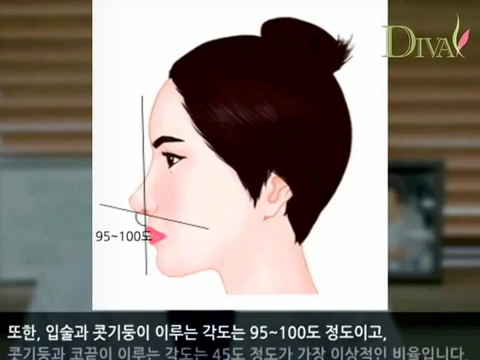
Bulbous noses also have various causes.
Therefore, it is necessary to proceed with a procedure
deemed appropriate for the specific cause.
A blunt nasal tip due to widely spread alar cartilages,
thick skin and soft tissues at the nasal tip, or excessively
large cartilages each require different procedures.
First, in situations where the nasal tip skin and soft tissues
are thick, excess fatty tissue, muscle, and skin are appropriately
removed to design a wide, flat nasal tip.
When removing fat, it is crucial to ensure that the procedure
is performed by a medical team with extensive clinical experience
to achieve natural and definite improvement without skin tissue deformation.
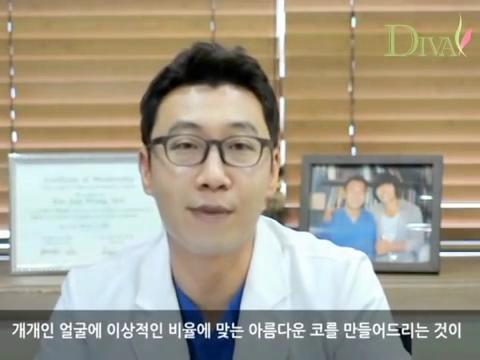
If the nasal tip cartilage is large or spread apart,
and the alar cartilages are excessively flared, a procedure
is needed to gather them towards the center and tie them with sutures.
If the nasal tip cartilages are of equal size, a portion may be
trimmed to reduce the volume of the nasal tip, and the cartilages
are repositioned to create a more aesthetically pleasing shape
for a wide, flat nose.
This series of procedures is complex and detailed,
so rather than prioritizing cost, it is essential to choose a facility
with a medical team possessing extensive experience, know-how,
and techniques.
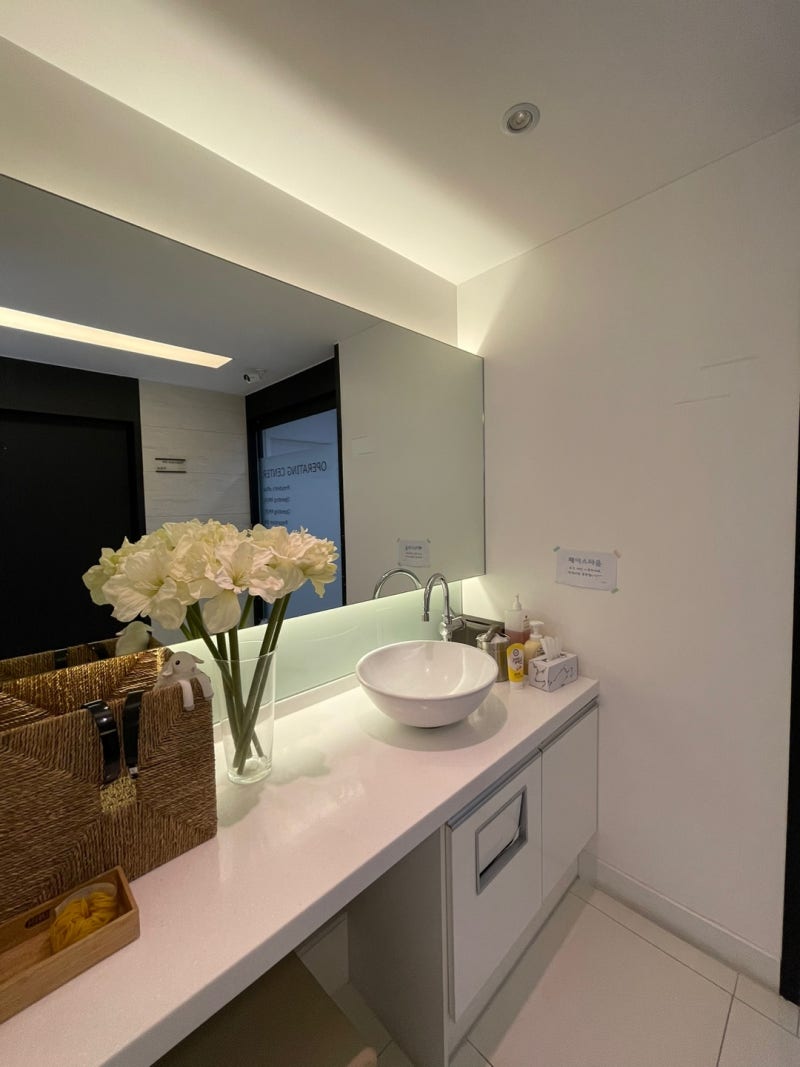
You should also verify whether the facility is equipped with the
proper and necessary equipment.
Tools like 3D-CT enable the diagnosis of internal functional issues
such as bone shape, deviation, and septal deviation, which cannot
be seen with the naked eye. This allows for detailed diagnosis of
what is needed, making personalized procedure planning possible.
Interest in improving wide, flat noses through consultations for
alar reduction and similar procedures is growing.
It is crucial not to simply raise the nasal bridge unconditionally,
but to design a nasal bridge that balances with each individual's
unique facial lines. It is also important to find a medical team
with the appropriate skills to achieve this.

Considering each person's situation and being able to determine
what is appropriate for them allows both the patient and the medical
team to expect the desired results.
Whether using non-surgical methods or undergoing an incision,
the primary consideration is whether it is suitable for you. Once
the appropriate method is found, it is essential to ensure proper
post-operative care after the procedure.
While procedures are undertaken with the desire for beauty, they can
boost self-confidence and significantly change the overall facial
atmosphere. Therefore, it is crucial to consider carefully, make a
judgment, and choose wisely.

The beginning is important, and the approach must be tailored to each
individual. It is crucial to find a medical team that understands all
these points and can guide you through the process.
Remember that for an aesthetic outcome, instead of prioritizing cost
and quick procedures, you should prioritize verifying proper post-operative
care and the likelihood of issues before making a choice.
Each person has a suitable facial line, and it is necessary to proceed
with the help of a medical team with experience and expertise.
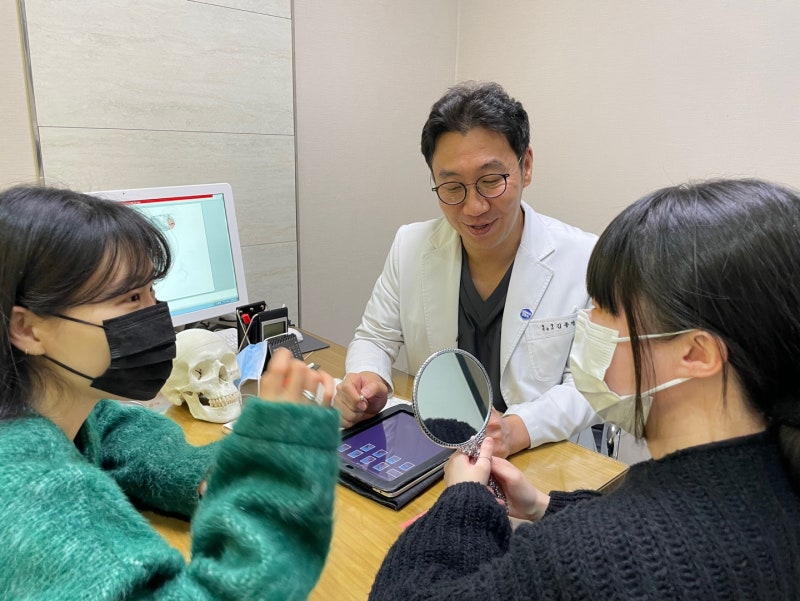
** This post is an advertisement written by Diva Plastic Surgery Clinic in compliance with the Medical Advertising Act. **
Frequently Asked Questions
What is a wide, flat nose?
A wide, flat nose is a common nose shape among East Asians, characterized by thick skin at the nasal tip and flared nostrils, resulting in a broad space between the nostrils and a wide nasal tip. This shape is less sharp compared to Western noses.
How is alar reduction performed?
Alar reduction can be performed by incising both nostrils or by using threads for a non-incisional correction. The incisional method offers higher satisfaction for those with a wider nasal base, while the non-incisional method is quicker to recover from but applicable to a limited number of cases.
When is bulbous nose correction necessary?
Bulbous nose correction is needed to improve a nose with a round and blunt tip into a more defined shape. The procedure is customized based on the nose shape and type, and may involve nasal bridge osteotomy, nasal tip cartilage repositioning, or removal of thick skin tissue.
What are the pros and cons of non-incisional alar reduction?
Non-incisional alar reduction has the advantages of being relatively simpler and having a faster recovery compared to the incisional method. However, its disadvantage is that it is not applicable to all cases, and the suitable cases are somewhat limited.
How is a thick nasal tip skin improved during bulbous nose correction?
For a bulbous nose with thick nasal tip skin and soft tissues, excess fatty tissue, muscle, and skin are appropriately removed to improve the nasal tip design. During this process, it is crucial that the procedure is performed by a medical team with extensive clinical experience to ensure natural improvement without skin tissue deformation.
What should be considered when choosing a medical team for wide, flat nose improvement?
When choosing a medical team for wide, flat nose improvement, prioritize a team with extensive experience, know-how, and techniques over cost. Also, consider whether they have necessary equipment like 3D-CT, can provide personalized diagnosis and planning, and how post-operative care is managed.