2023-05-03
If you're looking into mid-life lower blepharoplasty costs and methods
Considering mid-life lower blepharoplasty for bulging under-eyes or a dark impression? This guide explains the procedure, potential side effects, and how to choose a skilled surgeon for optimal results and satisfaction.


If your under-eyes are puffy, making you look older,
or giving you a dark impression,
mid-life lower blepharoplasty
is a method you might consider.
While it's a way to brighten the under-eye area
and help improve your image,
many people hesitate to make a decision about mid-life lower blepharoplasty
due to concerns about side effects.
It’s often scarier to jump into something you don’t know much about
than something you do.
Through this feed, I'll explain step-by-step how lower blepharoplasty is performed,
why side effects occur, and if there are ways to avoid problems.
I hope this information helps you make an informed decision.

First, I'll explain the difference
between upper and lower blepharoplasty.
Both surgeries are commonly performed
after signs of aging appear around the eyes,
and you often see people around you
who have benefited from them.
Simply put,
upper blepharoplasty is a surgery that
incises or lifts sagging and drooping eyelids
to make the eyes clearer and larger.
After the procedure, not only is eyelid ptosis improved,
but the area obstructing vision disappears,
freeing you from issues like vision impairment, ingrown eyelashes, and skin irritation.

Mid-life lower blepharoplasty has the advantage of
improving the under-eye area where aging has occurred,
such as sagging skin, dark circles,
hollows, or bulging fat,
to restore a bright and clean impression.
In other words, people who need mid-life lower blepharoplasty
are not those with drooping eyelids,
but rather those with excess or protruding fat under the eyes,
deep tear troughs, or severe dark circles that make them look tired,
and who wish to improve these under-eye concerns.

Depending on the situation, both surgeries can be performed
to achieve positive changes.
Aging of the eyes doesn't just involve one issue,
so combining several surgeries to find the optimal method
for each individual is important.
In youth, even a single double eyelid surgery can bring dramatic changes,
and recovery and skin regeneration are faster, requiring relatively less attention.
However, when undergoing mid-life lower and upper blepharoplasty,
it's crucial to consider not only aesthetic aspects
but also functional ones.
Therefore, entrusting the procedure to a board-certified plastic surgeon
with extensive knowledge of ocular anatomy
and rich surgical experience
is most advisable.

While the cost of mid-life lower blepharoplasty is an unavoidable factor
when choosing a hospital, I believe what's more important
is ensuring that no problems arise with your eyes,
which you'll use for a lifetime.
If this method, initiated to improve aesthetic and functional issues,
leads to a bigger problem like side effects,
it can cause immense stress when looking in the mirror
or from the gazes of others.
To avoid side effects,
rather than prioritizing cost,
it's helpful to check if the hospital has the systems and equipment
to provide adequate care,
and to verify the surgeon's experience and skills.
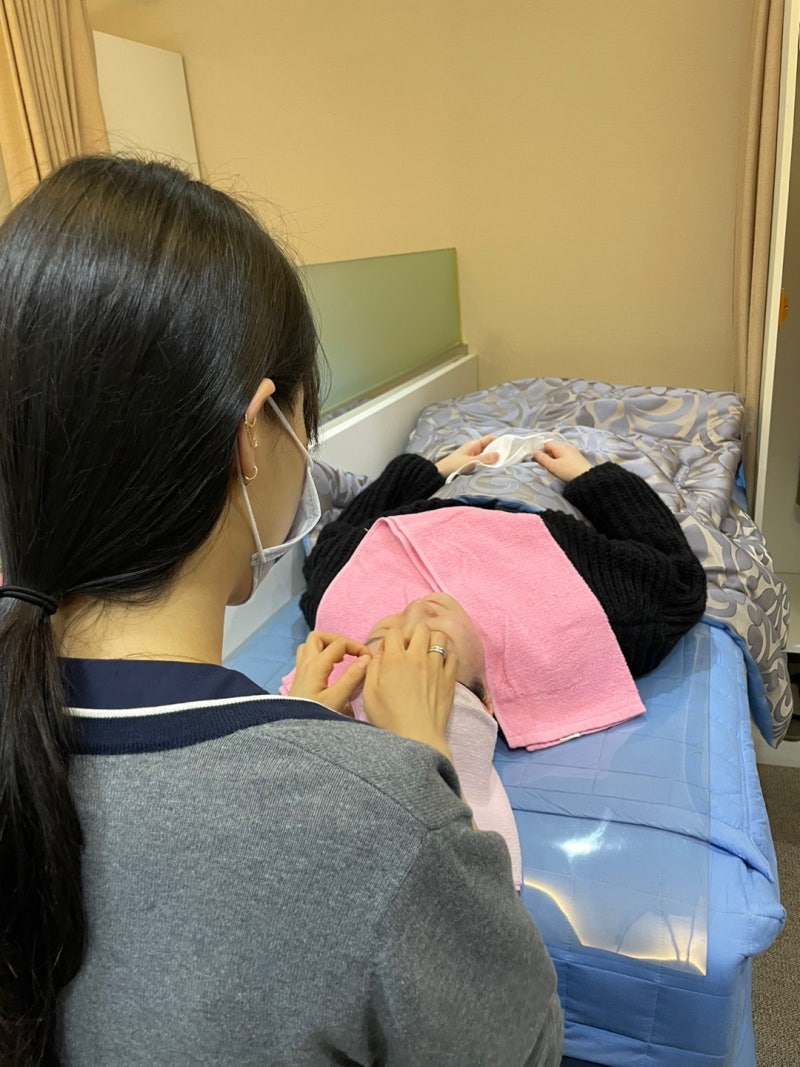
The most recommended approach is
to visit a plastic surgery clinic that offers 1:1 care
from consultation to examination, surgery, and post-operative management.
The reason 1:1 care is important is to meticulously assess each patient's condition
and allow for flexible responses.
For mid-life lower blepharoplasty, which has the potential for side effects or problems,
one-on-one care, including post-operative management,
is necessary to receive systematic care even after surgery.
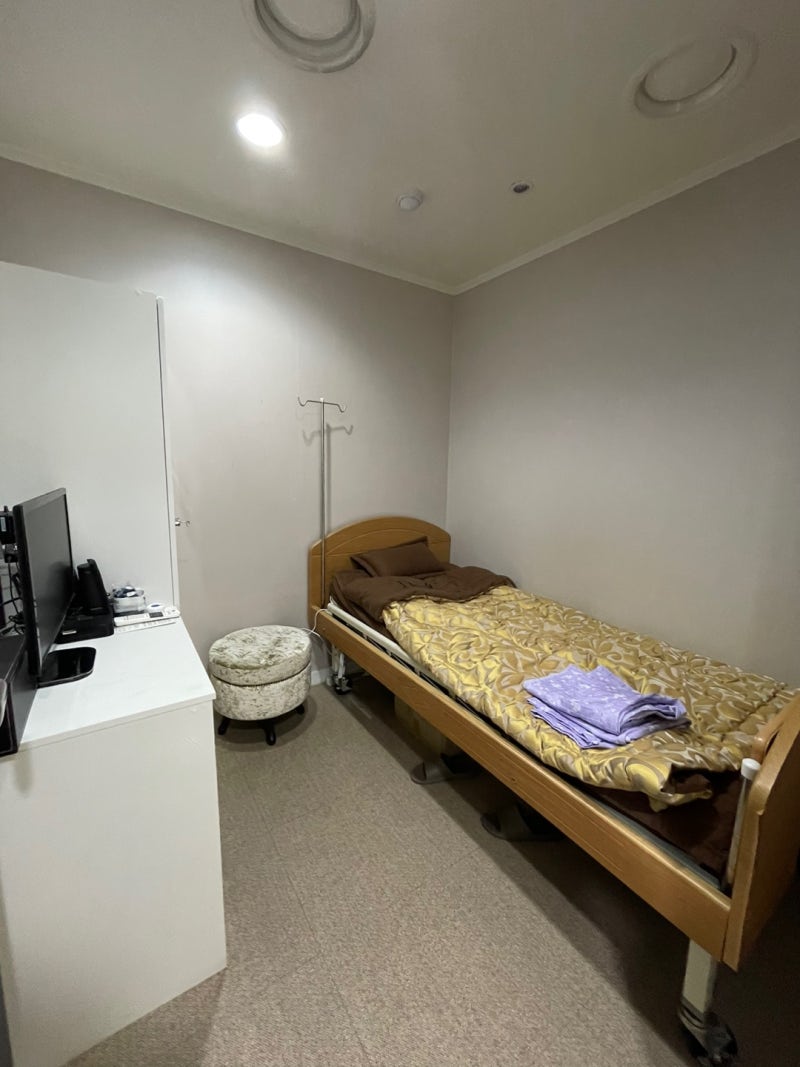
A common side effect of mid-life lower blepharoplasty
is ectropion (eversion of the eyelid).
Just hearing the term 'ectropion' can cause stress.
This can be attributed to the medical team's failure
to accurately determine the amount of skin to be excised before surgery.
Given the nature of this surgery, which involves excising under-eye skin,
repositioning internal fat, and tightening the skin and muscle together,
determining the amount of skin to be excised
is a very crucial aspect.

Therefore, a thorough examination must be conducted
to make an accurate judgment.
Even if the issue isn't related to the amount of skin excised,
ectropion can occur due to the patient's inherent structural problems,
such as severe protrusion or reduced elasticity.
This aspect also needs to be checked before surgery,
making it a characteristic of the skin that should be assessed
during consultation and diagnosis.
In some cases, severe bleeding during surgery due to the surgeon's lack of skill
can lead to blood pooling inside the eye,
causing contracture.
This can also result in ectropion.
While these issues can be improved through revision surgery,
the difficulty is higher than the initial surgery,
and the stress until improvement is significant.
Therefore, finding a plastic surgery clinic with a skilled specialist
who can ensure the first surgery goes well
is paramount.

Although side effects can be a concern,
lower blepharoplasty, once successfully completed
and after the recovery period,
is a procedure that yields high satisfaction.
This is because the bulging fat, sagging,
and dark circles under the eyes that were once a source of worry disappear,
resulting in a much younger-looking appearance
and a brighter image.

Although wrinkles around the eyes appear due to aging,
most people are still actively engaged in social activities.
If you are considering self-care for eye wrinkles, sagging,
dark circles, and fat repositioning,
I hope you meet a skilled medical team that thoroughly reviews everything from start to finish
to achieve positive changes.
** Please be informed that this post is a promotional post written by Diva Plastic Surgery in compliance with the Medical Advertising Act. **
Frequently Asked Questions
When is mid-life lower blepharoplasty needed?
Mid-life lower blepharoplasty is needed when the skin under the eyes sags, dark circles appear, or there are hollows or bulging fat due to aging. This surgery can improve these under-eye problems, restoring a bright and clean impression.
How do upper blepharoplasty and mid-life lower blepharoplasty differ?
Upper blepharoplasty improves sagging and drooping eyelids to make the eyes clearer, while mid-life lower blepharoplasty improves sagging skin, fat, and dark circles under the eyes. Both surgeries help improve signs of aging around the eyes.
What are the possible side effects after mid-life lower blepharoplasty?
A common side effect is ectropion (eversion of the eyelid). This can occur due to errors in judging the amount of skin to be excised, the patient's inherent structural problems (protrusion, reduced elasticity), or bleeding due to the surgeon's lack of skill.
What is the most important criterion when choosing a hospital for mid-life lower blepharoplasty?
While cost is important, to avoid side effects, it is most crucial to choose a hospital with a medical team that has extensive experience and knowledge of ocular anatomy, and a systematic approach from 1:1 consultation to post-operative care.
Is patient satisfaction generally high after mid-life lower blepharoplasty?
Yes, many patients report high satisfaction after successful surgery and recovery. This is because the bulging fat, sagging, and dark circles under the eyes disappear, resulting in a much younger and brighter image.