2023-03-11
Ptosis Correction Methods: With a Skilled Medical Team
As we age, various parts of our body can experience changes due to natural aging, including drooping eyelids. This article explores effective correction methods for ptosis, emphasizing the importance of choosing a skilled medical team to achieve optimal results and avoid complications.

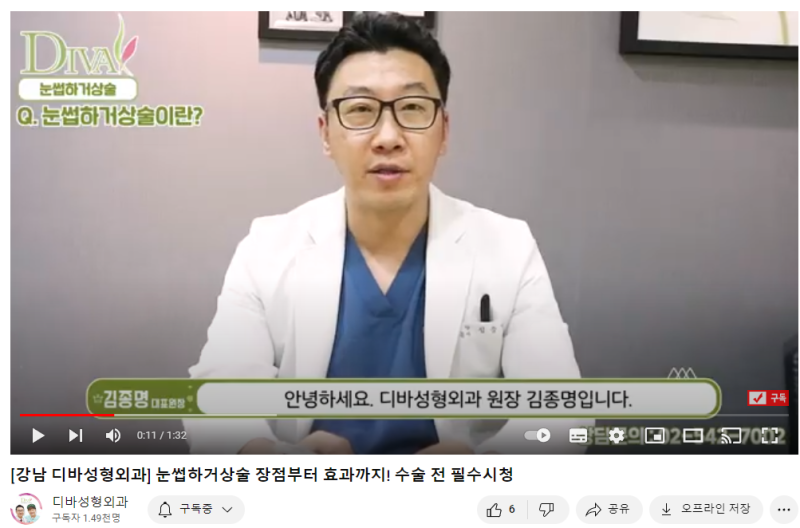
As we age, the natural process of
aging can cause various parts of the body
to malfunction.
Near vision may decline, we may easily
feel fatigued, and our athletic ability may
decrease compared to before.
While these changes in physical function are
something only we might notice, changes in our
external appearance are easily visible to others,
making it impossible not to be concerned.
In particular, wrinkles, sagging skin, and drooping
eyelids on the face seem to indicate aging,
leading many to seek ways to improve them
through various creams, ointments,
surgeries, and procedures.
Today, we would like to take some time to consider
correction methods for those experiencing discomfort
due to drooping eyelids, or who develop forehead
wrinkles from having to lift their eyebrows to open their eyes,
among other symptoms.
These changes not only affect one's external appearance
but can also cause symptoms such as headaches and fatigue,
and even lead to vision impairment, making correction
desirable.
Of course, correcting drooping eyelids to achieve a clear,
defined eye shape is also a significant advantage.
When eyelids droop weakly,
it can give a sleepy impression,
and sagging eyes can make one look sad
or unhappy, leading to various external
problems.
When the strength of the muscles that open the eyes
is weakened due to congenital or acquired reasons,
causing one to use their eyebrows and forehead to open their eyes,
this phenomenon is called ptosis.
If this condition persists, forehead wrinkles will
become progressively deeper, the size of both eyes
will differ, and vision impairment such as astigmatism
will occur.
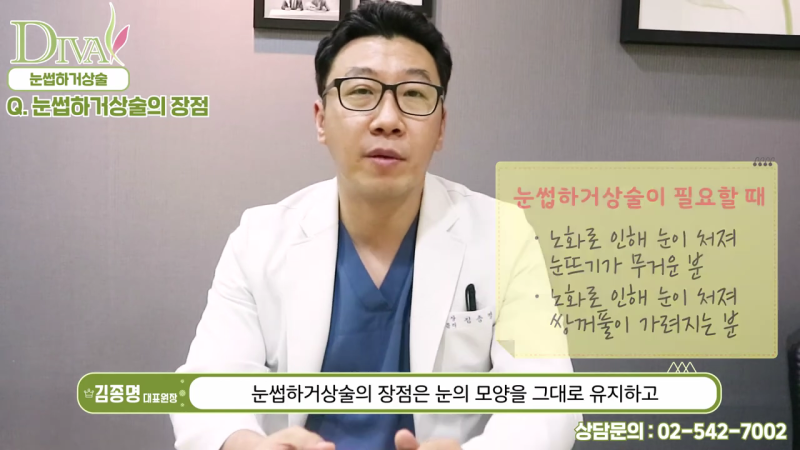
If the above symptoms appear, simple
procedures like Botox or fillers cannot correct
drooping eyelids, so ptosis
surgery is performed.
Ptosis surgery involves adjusting and strengthening the tension
of the muscles that open the eyes and lifting the sagging eyelids
to create a clear eye shape. Before surgery,
a consultation with a specialist is followed by
the design phase.
As with other eye surgeries, the quality of the result
varies depending on the design and the medical team's
diagnosis before surgery. Therefore,
it is recommended to visit a hospital with a specialist
who has rich experience and skills.
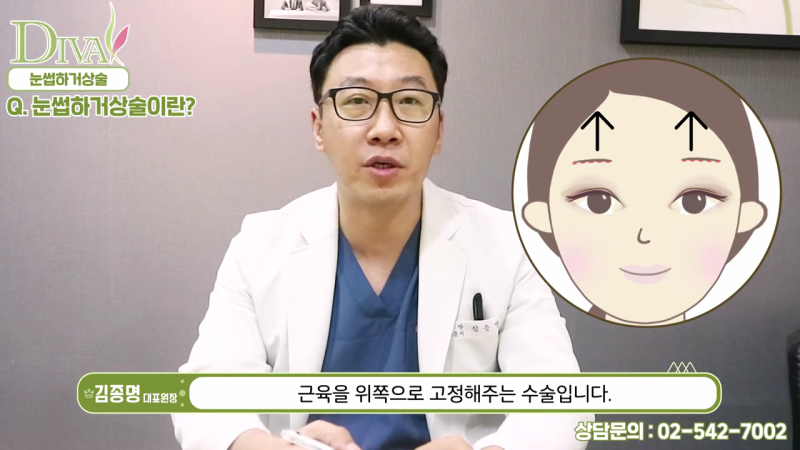
To correct drooping eyelids,
this surgery involves a thorough consultation with a specialist,
followed by designing the surgical area on the upper eyelid
and then making an incision.
This is to correct the levator palpebrae superioris muscle,
which is the fundamental cause of drooping eyelids.
This surgery, which involves pulling the eye-opening muscles
and forming a line, may seem simple but
requires various skills.
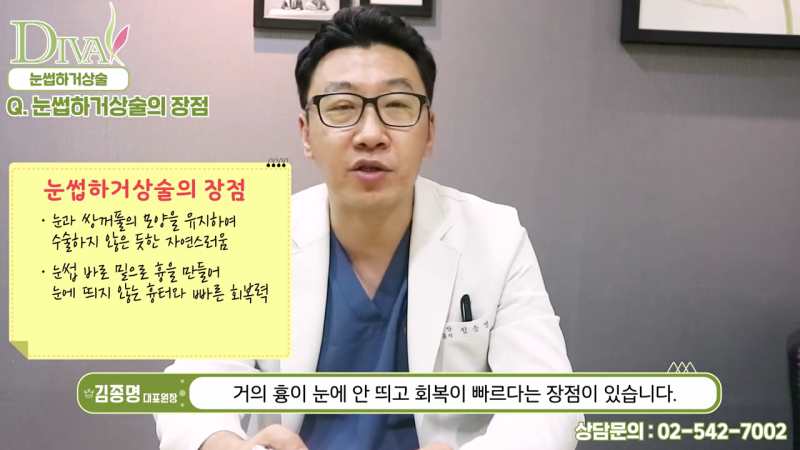
If the surgery is successful, unlike sagging eyes that
make one look older, by pulling the muscles and forming a line,
the sagging eye shape disappears, naturally
achieving a youthful effect.
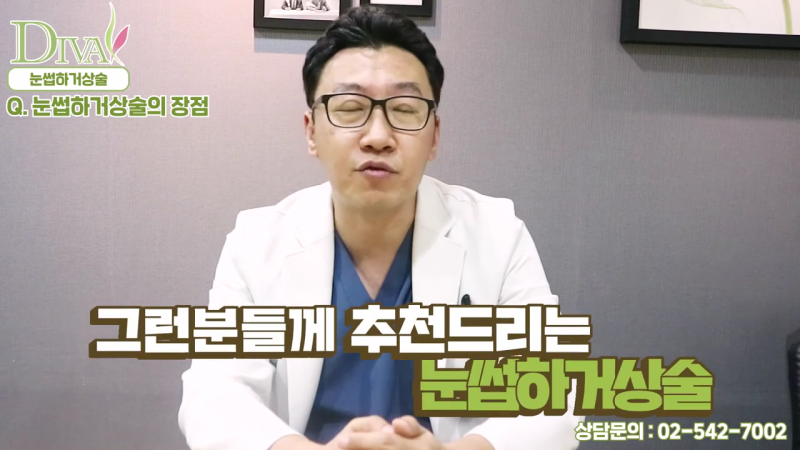
This procedure takes about 1 hour
and is performed under local anesthesia, not general anesthesia.
There is no need for hospitalization, and daily life is possible
after about a week. Therefore, for those stressed by drooping eyelids,
this method can yield highly satisfactory results.
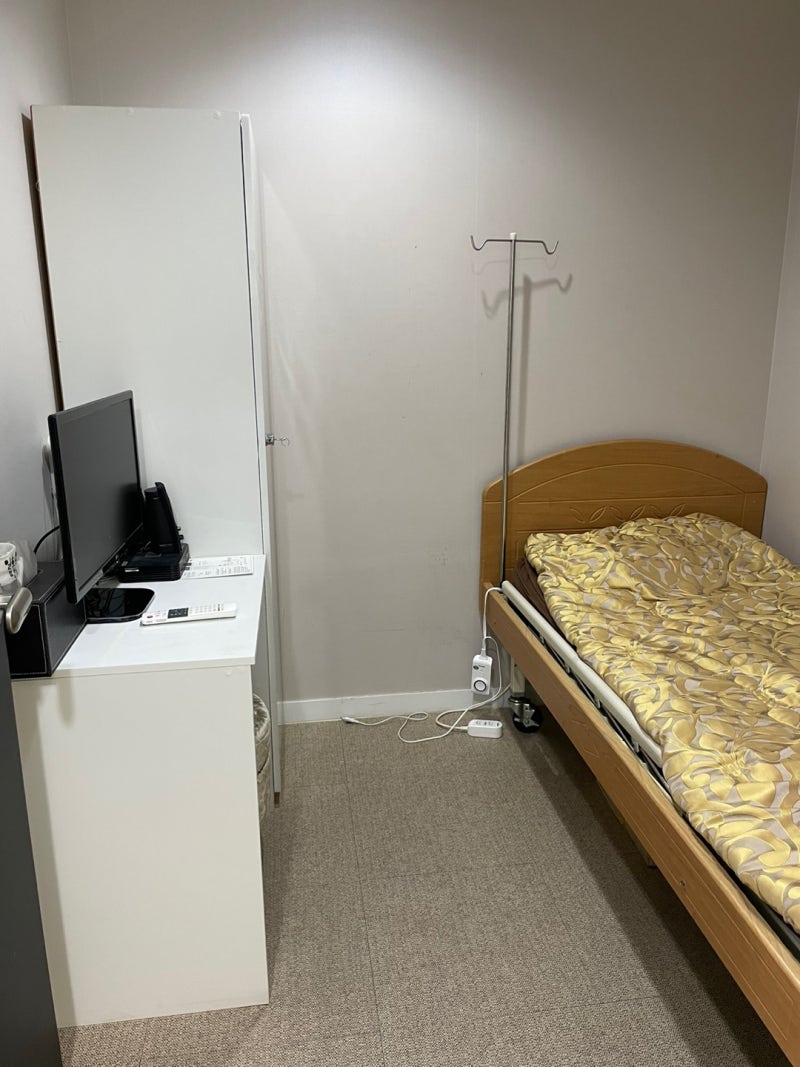
However, every surgery comes with the problem
of side effects.
In particular, ptosis surgery can sometimes lead to
the problem of the eyes not closing completely during sleep.
This is identified as a side effect that occurs when too much
muscle is cut during the surgery.
Therefore, to avoid such side effects,
it is essential to verify the doctor's experience.
Extensive clinical experience reduces the likelihood of problems.
Generally, the medical team's experience is stated on the website,
so I hope you will check it.
Many people may know Dr. Kim Jong-myung, the chief director of Diva Plastic Surgery,
as he has appeared on various TV programs to share information.
He is a highly skilled specialist with extensive know-how and clinical experience,
who performs surgery on only 3 patients a day to achieve ideal results.
All consultations, examinations, surgeries,
and post-operative care are personally conducted by Chief Director Kim Jong-myung,
thus earning even greater trust.

Even if you are stressed by drooping eyelids,
you must have had many concerns before deciding on surgery.
If good results are achieved after surgery,
it can have a positive impact in various aspects.
Therefore, we hope you find a good hospital and medical team
to achieve ideal results without side effects
and enjoy a more comfortable and beautiful life.
Diva Plastic Surgery will always strive to be with you.
** Please note that this post is a promotional post written by Diva Plastic Surgery in compliance with the Medical Advertising Act. **
Frequently Asked Questions
What symptoms does ptosis cause?
Ptosis can externally give a sleepy or depressed impression. Additionally, lifting the forehead to open the eyes can deepen forehead wrinkles, cause differences in eye size, and lead to vision impairment such as astigmatism. It can also cause headaches and fatigue.
Can ptosis be corrected with Botox or fillers?
No, simple Botox or filler procedures cannot correct ptosis. If the cause of ptosis is weakened eye-opening muscles (true ptosis), fundamental correction through ptosis surgery is necessary.
How is ptosis surgery performed?
Ptosis surgery involves adjusting and strengthening the tension of the muscles that open the eyes, and lifting the sagging eyelids to create a clear eye shape. After consultation with a specialist, the upper eyelid is designed and incised to correct the levator palpebrae superioris muscle.
What are the surgery time and recovery period for ptosis surgery?
Ptosis surgery takes approximately 1 hour and is performed under local anesthesia, not general anesthesia. There is no need for hospitalization, and daily life is usually possible after about a week, allowing for relatively quick recovery.
What are the potential side effects after ptosis surgery?
Yes, every surgery can have side effects. In the case of ptosis surgery, there can be a problem where the eyes do not close completely during sleep. This can occur if the muscles are over-adjusted during surgery.
What is important when choosing a hospital for ptosis surgery?
For ptosis surgery, the quality of the results depends on the design and the medical team's diagnosis. Therefore, it is important to visit a hospital with a specialist who has rich experience and skills. Checking the doctor's experience is also necessary to reduce the likelihood of side effects.