2023-01-10
Under-Eye Fat Repositioning Surgery: Achieve a Brighter Impression
Under-eye fat repositioning surgery can help resolve an aged appearance caused by sagging skin and dark circles, leading to a brighter, more youthful look.


Beauty standards vary from person to person.
Some find striking features appealing,
while others prefer a natural and harmonious face.
Many people desire a youthful appearance, but even with distinct features,
as we age and skin elasticity weakens, changes in appearance due to sagging are common.
Therefore, it's important to pay attention when skin loses elasticity, sags, or develops wrinkles.
Among these, the delicate eye area, which lacks sebaceous glands and has thin skin, is particularly prone to aging,
making under-eye fat repositioning surgery a helpful solution for an aged look.
Typically, if there are many wrinkles and sagging around the eyes, dark circles appear,
which can make others perceive you as tired or sad.
Even on days when you feel good and are in high spirits, the negative impact can be significant,
making it difficult to leave a vibrant and bright impression, which can affect interpersonal relationships.
Such a dark impression can make you seem unapproachable and cause others to hesitate,
making alternatives like under-eye fat repositioning surgery suitable.
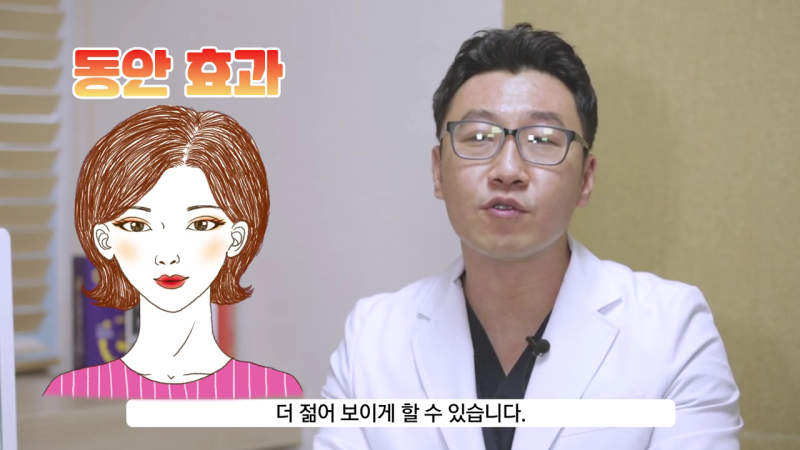
If you notice hollow, dull shadows under your eyes when you look in the mirror,
shadows between protruding fat pockets and the tear trough can make your impression appear dark.
Aegyo-sal (under-eye fat that creates a youthful, cute look) is located below the pupil and gives a bright, lively, and cute impression,
but sagging fat under the eyes can make the area look uneven and easily form shadows resembling dark circles.
It's advisable to undergo under-eye fat repositioning surgery to create eyes that naturally enhance the aegyo-sal.
Before the procedure, a consultation with medical staff allows for an assessment of the extent of eyelid fat, muscle, and skin condition,
enabling a personalized surgical plan to be established.

Typically, the procedure involves incising the inner conjunctiva or inner eyelid, then removing fat,
and is performed using self-dissolving sutures that do not require removal.
Improvement is possible with fewer procedures, and since there are no visible external incisions, concerns about scarring are reduced.
After making an incision, the fat is processed and repositioned to the necessary areas.
If there is sagging skin, it should be removed, and the eye area tightened.
This surgery is primarily for those bothered by shadows under their eyes due to fat, those who are often told they look tired due to dark under-eyes,
those whose protruding under-eye fat makes them look older,
and those whose dark under-eye areas are not perfectly concealed even with makeup.
Through under-eye fat repositioning surgery, significant improvement can be expected.

Fat located in the lower part is formed in an appropriate position,
making it difficult to notice a difference, but as one ages, muscles gradually weaken,
and the strength holding the fat pockets weakens, causing them to sag downwards, leading to problems.
When sagging occurs, shadows form around it, and the protruding parts become more prominent,
which can make one appear much older than their peers, giving an aged impression.
Under-eye fat repositioning surgery helps create a youthful image and repositions the under-eye trough,
providing an alternative that can be performed without the burden of scars.

It's not just about removing bulging fat,
but also about filling the shadowed and sunken troughs below it.
This method is suitable for individuals who exhibit both protruding areas and sunken tear troughs, and it involves extracting excess fat
and filling deficient areas to achieve a flat under-eye area.
The need for under-eye fat repositioning surgery isn't solely due to skin aging.
Insufficient sleep or accumulated fatigue can lead to
the accumulation of waste products and the formation of bulging fat, causing shadows and unevenness.
As more people experience these symptoms, interest in under-eye fat repositioning surgery is also increasing.
The procedure focuses on flattening protruding areas and filling sunken areas,
naturally helping individuals achieve a more youthful appearance.

The under-eye fat repositioning surgery itself typically takes about 30 to 60 minutes,
and local anesthesia is applied beforehand to alleviate concerns about pain.
Unless there are unusual circumstances, no separate follow-up visits are required, and bruising, swelling, and scarring are not severe.
The recovery period is also not long, making it a positive option for busy modern individuals.
Since the eye area has thin skin, even small changes can significantly alter the outcome,
making the medical team's expertise paramount.
Therefore, only through the skilled hands of medical professionals with extensive experience and know-how in eye surgery
can better results be achieved.

Many people mistakenly believe that lower blepharoplasty and under-eye fat repositioning surgery are the same,
so it's important to understand the differences and choose the surgery most suitable for you.
Lower blepharoplasty is a method that generally improves overall aging of the lower eye area.
It involves repositioning bulging fat under the eyes while also tightening sagging skin wrinkles on the surface
to alleviate symptoms. Unlike under-eye fat repositioning, which is popular among those in their 20s and 30s,
lower blepharoplasty is primarily performed on individuals in their 50s to 70s.
Understanding the clear differences between these two methods can help avoid confusion
and make it easier to choose the appropriate surgery for yourself.
Here, skilled plastic surgeons, with their accumulated clinical experience and expertise,
assess the individual's skin condition, degree of sagging around the eyes, and skin thickness before the procedure
to establish a proper surgical plan accordingly.
Guidance is also provided for thorough post-operative care
to promote quick recovery and improvement.

Immediately after surgery, it's best to avoid strenuous exercise or activities,
and frequent ice packs can help with pain and swelling.
Avoid smoking and alcohol, which can cause inflammation, and if contact lenses are necessary,
they should be worn at least a week later.
Even for a relatively simple surgery, post-operative care is as important as the surgery itself.
Therefore, combining proper daily care can lead to stable results.
For aging issues like sagging under the eyes that have already begun, this procedure can be a wise choice.
Even just improving the eye area can create a brighter atmosphere and change one's overall impression,
so if your under-eyes are dull and shadowed, we encourage you to actively start managing them.
** Please be informed that this post is a promotional post written by Diva Plastic Surgery in compliance with medical advertising laws. **
Frequently Asked Questions
When is under-eye fat repositioning surgery necessary?
Yes, if your under-eyes are dark, making you look tired, or if fat protrusion makes you look older, or if you have dark circles that cannot be covered by makeup, you can expect improvement through under-eye fat repositioning surgery. This surgery helps not only with aging but also with fat accumulation due to lack of sleep or fatigue.
How long does under-eye fat repositioning surgery take, and what is the recovery period?
The surgery typically takes about 30 to 60 minutes. The recovery period is not long, and bruising, swelling, and scarring are not severe, making it a feasible option for busy modern individuals.
What is the pain level during under-eye fat repositioning surgery?
Local anesthesia is applied before the surgery, so concerns about pain can be alleviated. After the surgery, there is generally no severe pain unless there are unusual circumstances.
How do under-eye fat repositioning and lower blepharoplasty differ?
Under-eye fat repositioning primarily focuses on repositioning under-eye fat and is highly sought after by individuals in their 20s and 30s. In contrast, lower blepharoplasty generally improves overall aging of the lower eye area and tightens sagging skin wrinkles, typically performed on individuals in their 50s to 70s.
What precautions should be taken after surgery?
Immediately after surgery, avoid strenuous exercise or activities and apply ice packs frequently. Avoid smoking and alcohol, which can cause inflammation, and if contact lenses are necessary, it is safe to wear them at least a week later.
How is under-eye fat repositioning surgery performed?
Generally, the inner conjunctiva or inner eyelid is incised, and then fat is removed or repositioned to the necessary areas. If there is sagging skin, it is removed, and the eye area is tightened. The procedure can be performed using self-dissolving sutures that do not require removal.