2022-12-21
Upper Blepharoplasty: When Drooping Eyelids Obstruct Your Vision
Drooping eyelids can obstruct vision and create a tired appearance. Upper blepharoplasty can restore a youthful look and improve functional issues by tightening the eyelids and reducing wrinkles.


Compared to other features, the eyes play the biggest role in determining a first impression.
However, with the inevitable aging process,
many people experience drooping around the eyes.
Additionally, wrinkles can form, making one look older or
tired, leading to a noticeable increase in those seeking solutions.
When drooping eyelids obstruct vision, causing daily discomfort,
many consider upper blepharoplasty.
As we age, the eyelid skin sags and wrinkles form,
inevitably weakening the power to open the eyes.
In such cases, people often use their forehead muscles to open their eyes, which leads to forehead wrinkles,
and this can accelerate the aging process. This has become a significant concern.
To address these issues, upper blepharoplasty can be performed.
By incising and lifting the sagging eyelid skin, it restores elasticity
and allows the eyes to open with the strength of the eyelids, while also alleviating forehead wrinkles.

Before choosing a surgical method, it was crucial to individually assess the extent of eyelid sagging that obstructed vision
and then set an appropriate line based on the degree of sagging.
Based on this, an incision was made, excess skin was removed, and then meticulously sutured
to create youthful, elastic eyes.
However, if too much sagging skin is removed, it can result in an unnatural appearance,
so achieving natural results through methods like forehead lift or eyebrow lift was key.
Therefore, when undergoing upper blepharoplasty, it was also necessary to carefully examine the medical team's proficiency.

Those who need upper blepharoplasty include:
Cases where eyelashes droop and poke the eyes, obstructing vision;
Cases where the eyes are opened using the strength of the eyebrows and forehead, not the eyelids;
Cases where the eyelids sag, covering the double eyelid and making the eyes appear smaller;
Cases where the skin around the eyes is thin and there is an existing double eyelid line.
If you suspect you have any of these symptoms, considering upper blepharoplasty
and exploring alternatives could be helpful.

Among these, as people enter middle age, components like collagen, which make up the dermis of the skin,
decrease, leading to deeper wrinkles or reduced volume,
which often results in the symptoms described above.
To improve this, it was advisable to refine the tissue of the upper eyelid to remove a somewhat tired appearance
and achieve a clearer and more defined look.
The problem here is that the timing of aging and its progression can vary individually,
so carefully checking these factors and finding the right approach to address the issues was the core of upper blepharoplasty.

Occasionally, when considering upper blepharoplasty, many people are simply lured by low costs
and try to proceed with the surgery.
Of course, the cost is an important factor to some extent, but focusing solely on it
when planning the surgery could lead to an incomplete outcome because the individual's discomfort and problems
are not thoroughly understood. This point must be carefully noted.

Especially since upper blepharoplasty significantly impacts the overall image of the eyes,
it was necessary to research and prepare thoroughly from various angles.
By preparing meticulously in advance and undergoing this surgery,
one could achieve a natural appearance while also resolving functional issues,
leading to results closer to one's needs.
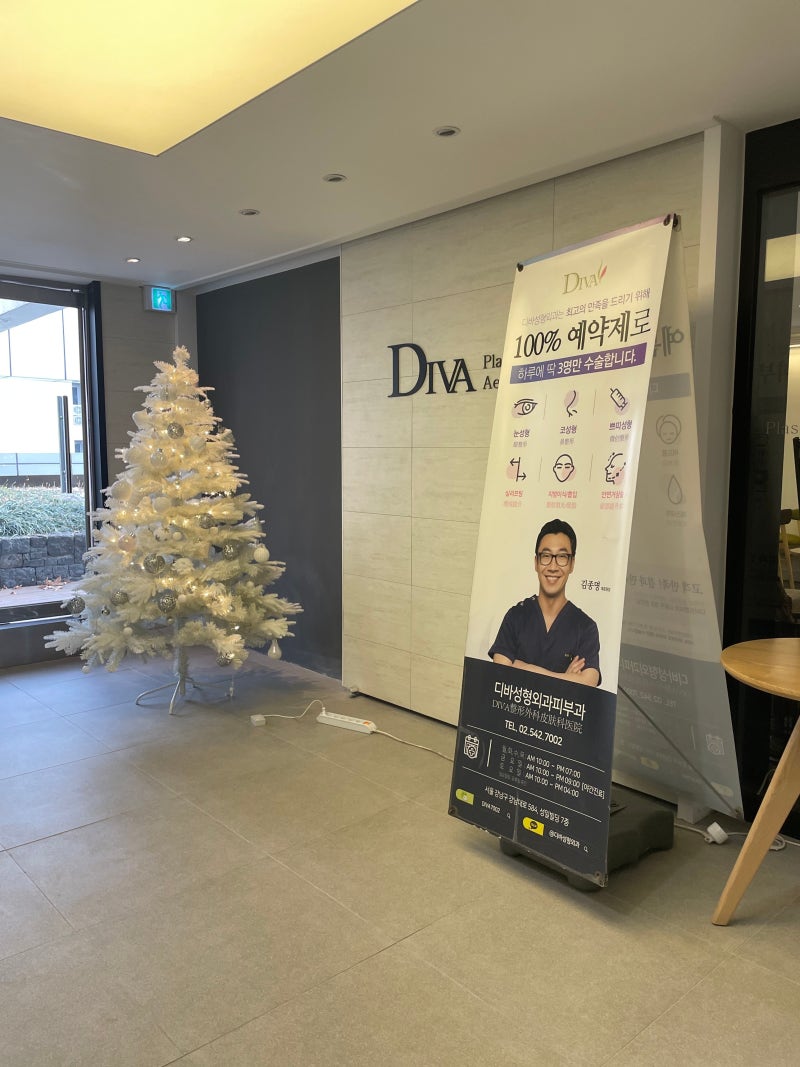
Here, they accurately identify individual differences in eye shape, skin layer, and face shape,
and perform personalized surgeries.
A medical team with many years of clinical experience and a deep understanding of the field strives to alleviate each person's discomfort based on pre-operative examinations and consultations.
Sometimes, people mistakenly believe that this surgery is only for middle-aged individuals,
but as mentioned earlier, while it is a surgery to lift drooping eyelids, and middle to older age groups may be the primary target due to aging,
other factors cannot be excluded. For example, it could be due to poor lifestyle habits or congenital issues from birth.
Thus, before proceeding, it was essential to have sufficient 1:1 communication with the medical team
and to thoroughly check whether only necessary treatments were being proposed.
If there was no overtreatment, it could be done efficiently with less financial burden.
Furthermore, if the clinic had dozens of surgical cases for various situations,
they could respond quickly to any variables that might arise.
By paying attention and effort to post-operative care, ideal results could be achieved.
For one to two days after surgery, cold compresses should be used to reduce swelling,
and from the third day, switching to warm compresses helped with recovery.
However, it was best to apply cold compresses for only about 15 minutes, followed by a 45-minute break, repeating this cycle.

Wound care is also important; following the medical team's instructions for prescribed medication and ointment
was crucial for the wound to heal quickly.
Many people were also curious about the recovery period after surgery.
On the day of surgery, bruising and swelling gradually appear, accompanied by mild pain,
but over time, most severe swelling subsided from day 2-3.
By week 1, stitches were removed and major swelling disappeared, and after about a month,
one could resume daily life with a natural appearance.
** This post is an advertisement written by Diva Plastic Surgery in compliance with medical advertising laws. **
Frequently Asked Questions
In what cases can upper blepharoplasty be considered?
Yes, upper blepharoplasty can be considered when eyelashes poke the eyes, obstructing vision, when drooping eyelids cover the double eyelid and make the eyes appear smaller, or when one uses forehead muscles to open the eyes. Besides aging, it may also be necessary due to congenital issues or lifestyle habits.
What are the main effects of upper blepharoplasty?
Upper blepharoplasty involves incising and lifting sagging eyelid skin to restore elasticity, strengthen the power to open the eyes, and help alleviate forehead wrinkles. This improves obstructed vision and transforms a tired appearance into a clearer and more defined look.
What are important considerations for upper blepharoplasty?
During upper blepharoplasty, it is crucial to accurately assess the individual's degree of eyelid sagging and skin condition to set an appropriate line. Excessive skin removal can lead to unnatural results, so the medical team's proficiency and a personalized surgical plan are important.
How long is the recovery period after upper blepharoplasty?
Typically, severe swelling subsides 2-3 days after upper blepharoplasty, and stitches are removed with major swelling disappearing by week 1. After about a month, daily life can usually be resumed with a natural appearance.
How should I manage post-operative care after upper blepharoplasty?
After upper blepharoplasty, use cold compresses for one to two days to reduce swelling, then switch to warm compresses from the third day to aid recovery. Following the medical team's instructions for prescribed medication and ointment is essential for the wound to heal quickly.
Is upper blepharoplasty only for middle-aged individuals?
No, while middle-aged and older individuals may be the primary candidates, upper blepharoplasty can also be necessary for younger individuals due to poor lifestyle habits or congenital issues, not just aging. Therefore, thorough consultation with a medical professional is important regardless of age.