2022-12-07
Non-incisional Ptosis Correction for a Natural Line
Non-incisional ptosis correction offers a natural, subtle improvement for those with mild ptosis, thin eyelids, and minimal fat, providing a clear and refreshed look with minimal downtime.


A beautiful and clear image can leave a good impression on others.
In particular, large and attractive eyes play a crucial role in determining a first impression, so if you usually have small and faint eyes that unintentionally make you appear a certain way to others, causing stress, you might consider non-incisional ptosis correction to improve them.
The problem here is that an unsuitable procedure, not tailored to the individual, can sometimes lead to an unnatural outcome, so caution is necessary.
Small and dull-looking eyes sometimes cause discomfort.
There are cases where vision is obstructed when opening the eyes, causing a stuffy feeling, or where the eyelids cover more than 10% of the pupils, giving a weak impression.
Some people use their forehead or eyebrows to lift their eyes, but to make such eyes larger and clearer, non-incisional ptosis correction can expand the vertical width of the eyes and allow the pupils covered by the eyelids to be revealed.
However, the surgical method varies depending on each individual's eye condition, so it is advisable to consult with medical staff beforehand about your eye condition, correction needs, and other external characteristics, and then choose an appropriate method.
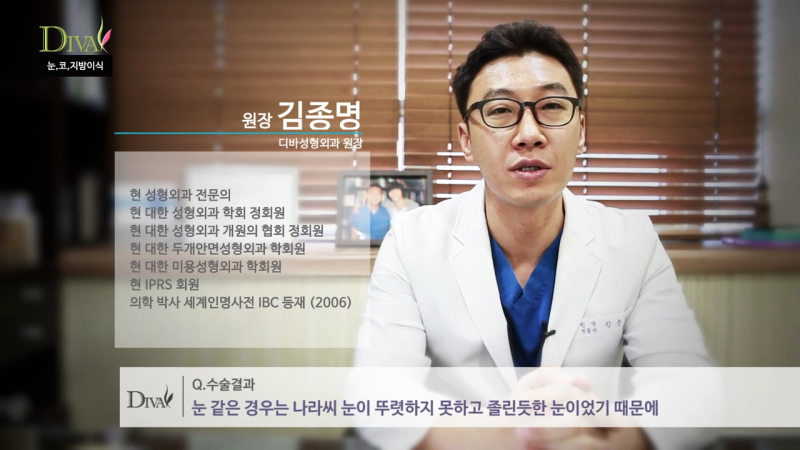
Those who have been told since childhood that they look sleepy or lack concentration, or those who lift their forehead and eyebrows to open their eyes, should consider if these phenomena are due to ptosis.
This condition occurs when the muscles that open the eyes are weak, causing the eyelids to droop, obstruct vision, and create a sleepy, tired impression. It can be seen as a result of the weakening of the eye-opening muscles themselves.
Therefore, to correctly correct ptosis, it is necessary to perform ptosis correction rather than simply creating a typical double eyelid line.
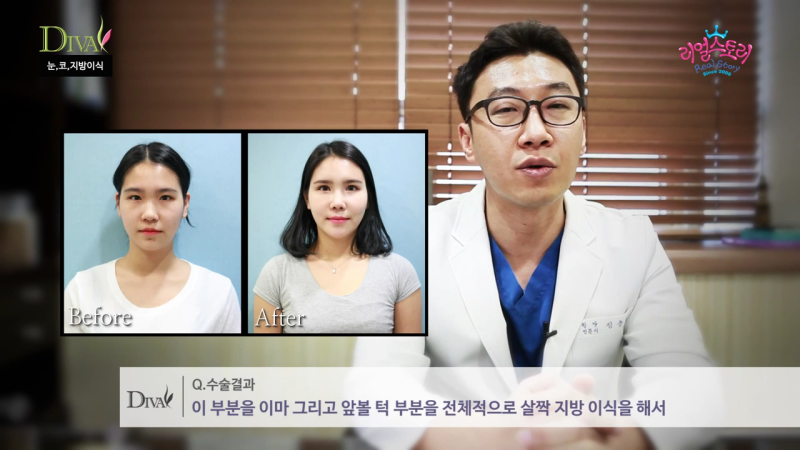
Generally, ptosis correction can be divided into incisional and non-incisional methods.
The former is a suitable alternative for severe ptosis, thick eyelids, and abundant eye fat.
On the other hand, non-incisional ptosis correction is faster than the incisional method and has the advantage of being natural with less bruising and swelling.
It works positively for those with thin eyelids, not much eye fat, and not severe eyelid drooping.
Even if you desire it, it is important to recognize that an appropriate method based on your eye condition must be applied to achieve stable results.
Nevertheless, if non-incisional ptosis correction is applied excessively, there will be no exception to the situation where a re-procedure must be performed, so it is best to follow the diagnosis and opinion of the medical staff for the specific application method.
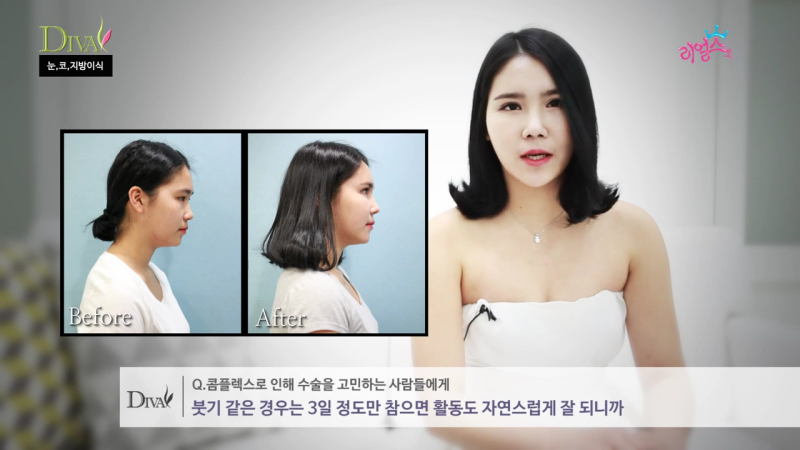
Non-incisional ptosis correction requires careful examination and application of specific details necessary for eye correction, such as the condition of each eyelid, the amount of eye fat, and the strength of the eye-opening muscles.
Those who worry about an artificial surgical look often prefer this process.
For those who desire a natural correction, the natural adhesion method is highly recommended.
Natural adhesion is a non-incisional method that manages eyelid fat and muscles and connects the skin muscles to the inner muscles through several small holes without an incision line.
It is a natural process that can reduce swelling and leaves no permanent marks.

Compared to incisional surgery, the operation time is short, approximately 30 minutes, and the recovery period is not long, making it a suitable method for office workers with tight schedules.
If the pupil is significantly covered when the eye is open, and you use your forehead muscles to open your eyes, you can explore methods to improve the muscles and skin around the eyes together.
Since the eyes have smaller and thinner skin compared to other facial features, it was necessary to research thoroughly and proceed carefully.
Even a slight widening of the size or space on both sides could change the overall impression, and even subtle changes would show a significant difference.
Therefore, it was essential to consider clearly and plan wisely accordingly.
The eyes play a significant aesthetic role and also have the functional aspect of recognizing objects and people.
If non-incisional ptosis correction is performed excessively, it can lead to unwanted results such as eyelashes poking the eyes or difficulty securing vision.
To avoid negative impacts on functional aspects, it was better to attempt changes through a method more suitable for oneself.
Even with non-incisional ptosis correction, which does not involve incisions, it still stimulates the area around the eyes, so thorough post-operative care is essential.
A plastic surgeon with extensive clinical experience and rich know-how can ensure a systematic process from the initial stage to the final stage and post-operative care, regardless of the case.

As observed, it is good to remember that for some individuals, the incisional method may be suitable, and conversely, the non-incisional method may be appropriate.
To summarize, if the skin tissue is relatively thin and ptosis is minor, non-incisional surgery can be performed. In contrast, if ptosis is too severe or the fat is thick, an incision must be applied for ideal results.
If left untreated or inadequately addressed, the differing strength of the eye-opening muscles on both sides can lead to asymmetrical eyes and astigmatism due to vision impairment.
Furthermore, forehead wrinkles may worsen, and eye elasticity may decrease, leading to increasingly severe eyelid drooping. It is advisable to consider these points and seek improvement promptly.
** Please be informed that this post is a promotional post written by Diva Plastic Surgery in compliance with medical advertising laws. **
Frequently Asked Questions
In what cases is non-incisional ptosis correction suitable?
Non-incisional ptosis correction works positively for individuals with thin eyelids, not much eye fat, and not severe ptosis. It is also suitable for those who prefer a natural correction without an artificial surgical look.
What are the advantages of non-incisional ptosis correction?
Non-incisional ptosis correction is faster than the incisional method and has the advantage of being natural with less bruising and swelling. The operation time is also short, approximately 30 minutes, and the recovery period is not long, making it suitable for office workers with tight schedules.
What is the natural adhesion method?
Natural adhesion is a type of non-incisional method that manages eyelid fat and muscles and connects the skin muscles to the inner muscles through several small holes without an incision line. It can reduce swelling and create a natural line.
Are there any precautions after non-incisional ptosis correction?
Yes, even after non-incisional ptosis correction, it still stimulates the area around the eyes, so thorough post-operative care is essential. Also, excessive procedures can lead to side effects such as eyelashes poking the eyes or difficulty securing vision, so caution is necessary.
Is non-incisional ptosis correction possible for severe ptosis?
No, for severe ptosis, thick eyelids, and abundant eye fat, incisional ptosis correction may be more suitable. The appropriate surgical method varies depending on the individual's eye condition, so it should be decided after consultation with medical staff.
How long does non-incisional ptosis correction surgery take?
Non-incisional ptosis correction can be performed in approximately 30 minutes. This is one of the advantages of having a shorter operation time compared to the incisional method.